Plot Explained Spoilers guaranteed!
Plot Explained

Browse by genre

3 Nuts in Search of a Bolt (1964) movie poster

Timeline

3 Nuts in Search of a Bolt (1964) Timeline Explained – Every Event in Order

Release, runtime and language
1964 · 78 mins · English
Loading streaming availability…
Starring
Marjorie Bennett, Tommy Noonan, Anthony Eisley, Mamie Van Doren, Alvy Moore, John Cronin

An out‑of‑work method actor is hired by a frugal male model, an ecdysiast and a car salesman sharing a flat. They ask him to listen to their woes and accompany them to a psychiatrist for counseling; the doctor is intrigued by their split personalities, producers eager for film rights, while the actor fights to keep his act—and his sanity—intact.

On this page (6)
  1. 1 Where to watch
  2. 2 Events in order (14)
  3. 3 Timeline questions answered
  4. 4 Movie threads
  5. 5 Movies like 3 Nuts in Search of a Bolt
  6. 6 Every angle
Loading streaming availability…

14 events in order · contains spoilers

3 Nuts in Search of a Bolt Timeline: Events in Chronological Order

Every key event of 3 Nuts in Search of a Bolt (1964) in order, scene by scene, with when and where it takes place. Use it to untangle flashbacks, time jumps and parallel storylines, to refresh your memory before the sequel or to find the exact scene you are thinking of.

  1. Noonan is hired to embody the others' problems

    An out-of-work method actor, Noonan, is hired by a stripper, a male model, and a car salesman to listen to their problems and visit a psychiatrist on their behalf. He must pretend that he alone has all their troubles, playing the correspondent for their confessions. The job sets up a public-facade, private-therapy premise that drives the plot.

    When
    Opening
    Where
    Noonan's apartment
  2. Secret recordings begin

    Dr. Von starts recording Noonan's sessions with the three clients. The act hints at a voyeuristic angle and foreshadows the broadcasts to come. Noonan reluctantly continues as part of the arrangement.

    When
    Early
    Where
    Dr. Von's clinic
  3. Studio offer arrives with a film deal

    Robert L. Katz, a studio representative, arrives with his aide Lenny to propose a movie inspired by Noonan's case. They offer Noonan a cheque for 100,000, threatening fame if the project succeeds. Noonan immediately distributes the money among his housemates rather than keeping it.

    When
    Early–mid
    Where
    Studio office
  4. Moral concerns among the housemates

    The three clients begin questioning the morality of Noonan's role and the public spectacle against their real problems. They realize the ethical hazard of turning private pain into entertainment. Ms. Symbol grows jealous of Noonan's informal candor with Dr. Von.

    When
    Soon after
    Where
    Shared house
  5. Ms Symbol seeks therapy with Dr Salverson

    Ms Symbol starts seeing Dr Salverson, another therapist. He and Noonan soon come clean with Dr Von about everything, testing loyalties and exposing the overlapping interests of the therapists. The dynamic among the four becomes increasingly tangled.

    When
    Shortly after
    Where
    Salverson's clinic
  6. Dr Salverson diagnoses the housemates

    Dr Salverson conducts therapy and diagnoses the trio: Lynch should move into a sanitarium, Ms Symbol should pursue an unmanned occupation, and Bernard is a narcissist. Dr Von virtually endorses Salverson's diagnoses, admitting she might have prescribed differently for Noonan earlier. The diagnoses set the stage for a supposed cure.

    When
    After initial sessions
    Where
    Therapy room
  7. Katz reports confession and return offer

    Katz arrives to report that Noonan has confessed everything and has offered to return the cheque. This revelation upsets Lynch, who resents the publicity and the deception behind the deal. The moment heightens the tension between performance and truth.

    When
    Later
    Where
    Therapist's office
  8. Pub robbery and Noonan's unintended theft

    Noonan visits a pub and gets caught in a violent robbery. He is knocked unconscious as patrons are stripped of clothes and valuables. When he regains consciousness, he pockets jewelry—including Mrs. Berkeley-Kent's—before escaping, unaware of the theft he's committed.

    When
    Evening
    Where
    Pub/bar
  9. Therapy confirms diagnoses and prescriptions

    Dr Salverson formalizes the diagnoses in therapy: Lynch to sanitarium, Ms Symbol to pursue an unmanned occupation, Bernard as a narcissist. Dr Von endorses Salverson's conclusions, signaling a shared clinical path. The group dynamics deepen around these labels.

    When
    Post-robbery
    Where
    Therapy room
  10. Noonan challenges the diagnoses

    Noonan protests Salverson's conclusions, insisting that Ms Symbol's issue is virginity and that Bernard's is chasing a woman who will challenge him. He advocates for treating Ms Symbol as the cure, which unsettles the others. Ms Symbol takes offense and leaves the room in tears.

    When
    Later
    Where
    Therapy room
  11. Repentant stance and renewed consolation

    Repentant, Noonan challenges Bernard to pursue Dr Von and goes to console with Ms Symbol. The moment tests their relationship and blurs lines between therapist, patient, and lover. Identity and affection collide as they navigate their tangled feelings.

    When
    Following confrontation
    Where
    House/therapy room
  12. Love and identity collide on the couch

    Noonan and Ms Symbol profess their love, but the declaration triggers another identity shift in Noonan, this time toward Bernard. Ms Symbol panics and pleads with the psychiatrists to treat him. Dr Von presses, and Noonan shifts again, even reproaching Ms Symbol for wearing 'his dress.'

    When
    Mid-to-late
    Where
    Therapy room
  13. Bar sequence ends in a mad chase

    The bar patrons arrive clothed in tablecloths, still missing their clothes, and chaos erupts. Mrs. Berkeley-Kent points a finger at Noonan, accusing him of stealing her jewelry, and a police presence adds tension to the chase. Katz and Lenny observe the spectacle as Ms Twitchell performs a showgirl flourish on the edge of the chaos.

    When
    Climax
    Where
    Pub/bar
  14. Ms Symbol becomes a showgirl; film closes in flashback

    The experience propels Ms Symbol to become a big-name showgirl, and the entire movie is revealed to be a flashback elaborated in her performance. The ending reflects on Noonan's experiments with identity and the price of living a lie. The film closes on a meta-note about therapy and spectacle.

    When
    Ending
    Where
    Performance stage

Last updated: October 09, 2025 at 11:23

Was this helpful?

Timeline questions answered

3 Nuts in Search of a Bolt Timeline Explained: Your Questions Answered

When does it happen, and why in that order? The questions people ask about the chronology of 3 Nuts in Search of a Bolt (1964): time jumps, flashbacks, cause and effect between scenes and the correct order of events, each answered with spoilers.

Q1

Why does Tom agree to pretend to have other people's problems at the psychiatrist?

Tom needs the money. The three housemates, a stripper, a male model, and a car salesman, can't afford to pay for therapy themselves, so they hire Tom as a proxy. He attends the sessions and pretends he alone carries all their burdens, which allows them to get treatment while avoiding the cost.

Foreshadowing: The arrangement is set up at the very beginning when Tom, an out-of-work method actor, is hired specifically because he can embody other people's troubles.

  • tom
  • psychiatrist
  • proxy
  • therapy
  • money
Q2

What does the $100,000 cheque represent in the movie?

Studio representative Robert L. Katz offers Tom $100,000 for the film rights to his curious case. Rather than keeping the money for himself, Tom immediately divides it among himself and his three housemates, which raises immediate ethical questions about profiting from others' problems.

  • 100000
  • cheque
  • film rights
  • studio
  • katz
Q3

Why does Saxie Symbol become jealous of Dr. Von?

Symbol grows envious because Tom, while pretending to be her, has been candidly expressing unguarded sentiments about Dr. Von during the therapy sessions. The public is now listening to Tom's intimate reflections about the psychiatrist, which makes Symbol feel eclipsed and resentful.

Foreshadowing: Symbol's jealousy is hinted at early when she realizes Tom is discussing her publicly through his role.

  • saxie symbol
  • dr von
  • jealousy
  • therapy sessions
Q4

What are Dr. Salverson's diagnoses for the three housemates?

Dr. Salverson diagnoses Lynch as needing to be moved into a sanitarium, recommends that Symbol pursue a life without a constant audience (an unmanned occupation), and identifies Bernard as a narcissistic personality. Dr. Von quietly endorses these conclusions.

  • dr salverson
  • diagnoses
  • lynch
  • bernard
  • sanitarium
Q5

Why does Tom steal jewelry during the pub robbery?

Tom is knocked unconscious during the robbery and wakes to find patrons stripped and their clothing piled nearby, along with Mrs. Berkeley-Kent's jewelry. Still pretending he's Bernard, Tom pockets the jewelry and feigns unconsciousness again until the robbers leave. He isn't intentionally stealing, he's caught up in the chaos and takes the jewelry without fully understanding what he's done.

Foreshadowing: The pub visit happens after the film deal escalates the stakes, adding criminal consequences to the ethical mess.

  • pub robbery
  • jewelry
  • mrs berkeley-kent
  • theft
Q6

Why is the movie framed as Saxie Symbol's performance?

The entire film is revealed to be a flashback elaborated in Saxie Symbol's stage performance at the end. This meta-framing reinforces the movie's theme that life has become performance, Symbol's career was launched by the entire scandal, and telling the story as her show emphasizes how reality has been commodified into entertainment.

  • flashback
  • showgirl
  • performance
  • symbol
  • ending
Q7

What causes Tom to shift between different identities during therapy?

Tom experiences identity shifts between his own personality, Bernard (the car salesman), and Ms. Symbol during intense therapy moments. These shifts seem triggered by emotional pressure and the psychological weight of embodying others' problems. When he and Symbol declare love for each other, his persona shifts toward Bernard, and Symbol panics, pleading with the psychiatrists to help him.

  • identity
  • personality shift
  • bernard
  • symbol
  • therapy
Q8

Why does Dr. Von agree to keep the recorded therapy sessions secret?

Dr. Von initially records the sessions secretly, which raises serious ethical concerns about confidentiality and consent. When Dr. Salverson proposes diagnosing the housemates in exchange for his silence, Von fears negative press could threaten her reputation as the country's leading psychiatrist. She ultimately yields to the arrangement but insists on crafting Tom's cure herself.

  • dr von
  • recordings
  • confidentiality
  • secret
  • ethics
Q9

What ethical issues arise from broadcasting the therapy confessions?

The recordings of Tom's sessions, which contain the private troubles of three real people, eventually broadcast across the country. This raises questions about consent, privacy, and whether profiting from others' personal struggles is ethical. The housemates themselves question whether the arrangement is ethical or merely a scheme to cash in on someone else's misery.

  • ethics
  • recordings
  • broadcast
  • privacy
  • confessions
Q10

Why does Tom challenge Bernard to pursue Dr. Von?

After challenging Dr. Salverson's diagnoses, Tom goes to console Symbol and encourages Bernard to pursue Dr. Von, who is a woman Tom believes could challenge Bernard intellectually. This reflects Tom's belief that Bernard's core issue is chasing a woman who will actually challenge him, rather than being a simple narcissism diagnosis.

  • bernard
  • dr von
  • pursuit
  • challenge
  • diagnosis
Q11

What happens to Saxie Symbol by the end of the movie?

The experience of the entire scandal propels Saxie Symbol's career to new heights, she becomes a big-name showgirl. Her performance at the end frames the entire movie as her flashback, suggesting that the chaos and exposure transformed her from a client with problems into a successful entertainer.

  • saxie symbol
  • showgirl
  • career
  • success
  • ending

Movie threads

More Movies Like 3 Nuts in Search of a Bolt, by Mood & Story

Curated lists built around what makes 3 Nuts in Search of a Bolt tick: the same mood, the same kind of story or the same emotional payoff. Each list explains why these movies belong together.

Zany Theatrical Farces like 3 Nuts in Search of a Bolt

Fast-paced comedies where elaborate performances spiral into chaotic misunderstandings. If you liked the chaotic performance and escalating scams in 3 Nuts in Search of a Bolt, you'll enjoy these movies. This thread gathers witty, fast-paced comedies where characters invent personas, leading to farcical misunderstandings and public spectacle. Discover similar stories about fame, fraud, and theatrical chaos.

  • farce
  • witty
  • chaotic
  • playful
  • satirical
  • mischievous
  • Tone: light, witty, whimsical
  • Pacing: fast, chaotic
Why these movies?

The story pattern: The narrative pattern involves characters, often performers or con artists, who initiate a scheme or adopt a false identity. This initial lie snowballs, creating a web of misunderstandings that escalates towards a public, chaotic climax—like a brawl or revelation—before resolving happily with the characters having learned little but entertained greatly.

Why they belong together: These movies are grouped by their shared commitment to lighthearted farce, satirical wit, and a fast-paced plot driven by performance and deception. They prioritize playful chaos and mischievous characters over deep drama, resulting in a consistently fun and intellectually playful viewing experience.
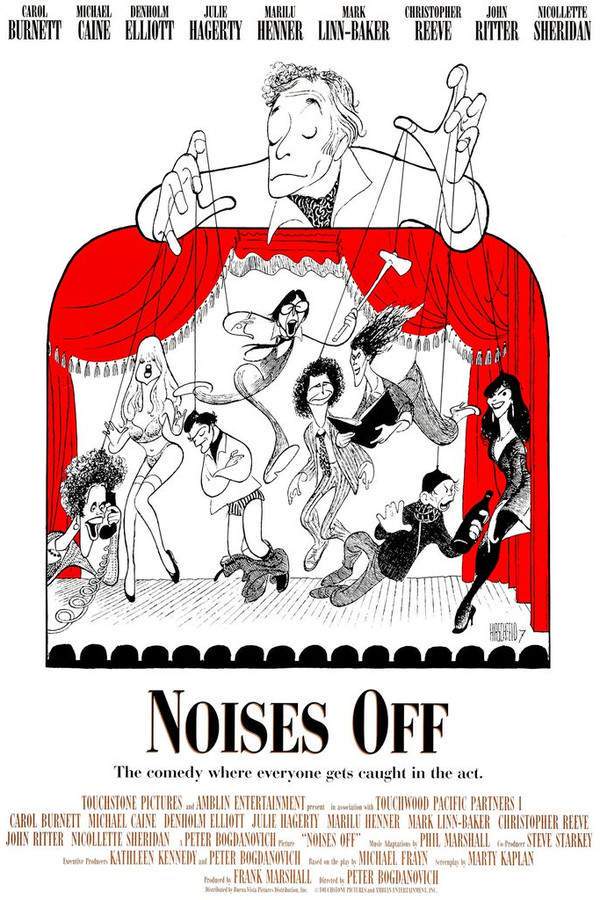
Satires of Therapy and Self-Help like 3 Nuts in Search of a Bolt

Comedies that playfully mock the worlds of psychology, wellness, and personal improvement. Fans of 3 Nuts in Search of a Bolt's take on psychotherapy will enjoy these movies. This collection features comedies that satirize therapy, psychiatrists, and the business of mental wellness. Find similar films with playful farce, fraudulent patients, and witty observations on performance and identity.

  • satirical
  • witty
  • playful
  • farce
  • mischievous
  • therapy
  • Tone: light, satirical, playful
  • Pacing: fast, steady
Why these movies?

The story pattern: The narrative typically centers on a character or group who enters the world of therapy—either as a patient with ulterior motives or a quirky practitioner. The story satirizes the process itself, using sessions as a stage for comedy, revealing hidden agendas, and exploring the blurry line between authentic issues and performative storytelling.

Why they belong together: These films are united by their light, satirical treatment of psychology and self-improvement. They share a specific thematic focus that translates into a particular comedic vibe: witty, a bit mischievous, and focused on the irony of using serious frameworks for frivolous or fraudulent ends.

If you liked this

Movies Like 3 Nuts in Search of a Bolt

Similar movies to 3 Nuts in Search of a Bolt: the same genre, themes or kind of story. Each one comes with its own plot summary, timeline and ending explained.

Browse all movie summaries

Every angle

3 Nuts in Search of a Bolt (1964) Explained: Plot, Timeline & Characters

Everything about 3 Nuts in Search of a Bolt in one place: what happens in the plot summary, the timeline in chronological order, the characters and meaning and a spoiler-free summary. What's After the Movie adds the cast, box office and post-credit scenes.

Coming soon on iOS and Android

The Plot Explained Movie Summary App

Plot summaries, endings explained and timelines on your phone. Catch up on any movie in minutes, save your favorites and never miss a twist again.

Be the first to know when we launch. Your email stays private, always.

Learn more about the app