









Plot Explained Spoilers guaranteed!
Plot Explained

Browse by genre

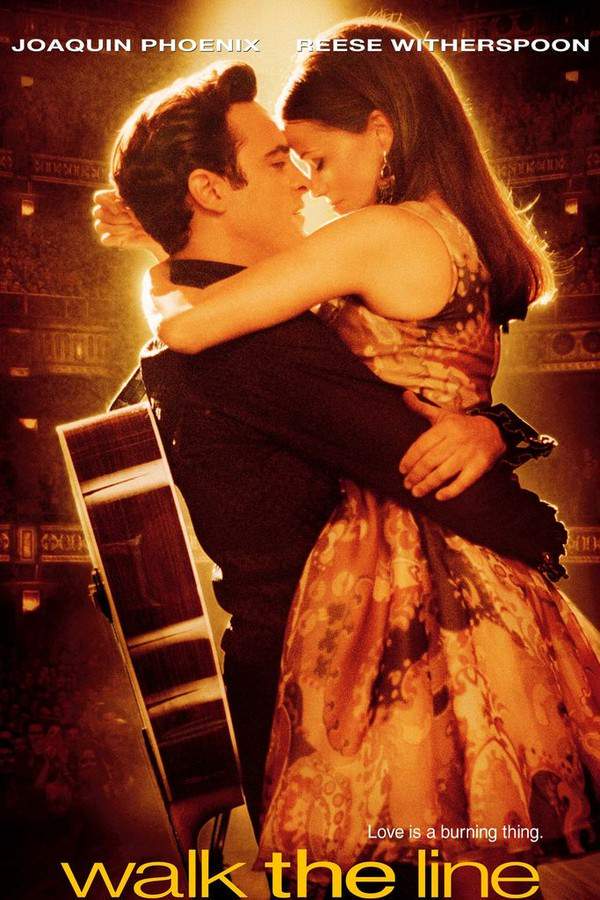
Walk the Line (2005) movie poster

Timeline

Walk the Line (2005) Timeline Explained – Every Event in Order

Release, runtime and language
2005 · 136 min · English
JustWatch #4,563 17
Directed by
James Mangold
Starring
Joaquin Phoenix, Reese Witherspoon
Budget
$28M

This biopic portrays the challenging life of Johnny Cash, following his rise from a humble Tennessee farm boy to a legendary country music figure. The film explores his struggles with addiction and personal demons, all while navigating complex family dynamics and the pressures of fame. A pivotal relationship emerges with June Carter, a forbidden romance that offers a path toward redemption and potentially saves him from self-destruction. The story is set against a backdrop of love, loss, and the pursuit of artistic greatness.

On this page (7)
  1. 1 Where to watch
  2. 2 Events in order (13)
  3. 3 Timeline questions answered
  4. 4 The book behind the movie
  5. 5 Movie threads
  6. 6 Movies like Walk the Line
  7. 7 Every angle

Where to watch

Where to Watch Walk the Line (2005)

Where can you watch Walk the Line? Stream, rent or buy it in the US, including on HBO Max, Amazon Video and Apple TV Store: current JustWatch availability with up-to-date prices.

Streaming availability powered by JustWatch

13 events in order · contains spoilers

Walk the Line Timeline: Events in Chronological Order

Every key event of Walk the Line (2005) in order, scene by scene, with when and where it takes place. Use it to untangle flashbacks, time jumps and parallel storylines, to refresh your memory before the sequel or to find the exact scene you are thinking of.

  1. Johnny's Performance at Folsom Prison

    In 1968, Folsom State Prison fills with an electrifying atmosphere as inmates roar in enthusiasm for Johnny Cash's band. Backstage, Johnny feels a haunting loneliness as visions of his past flood his mind.

    When
    1968
    Where
    Folsom State Prison
  2. Childhood in Dyess, Arkansas

    Flashback to 1944, where a young J.R. navigates life on a cotton farm in Dyess, Arkansas. Singing hymns with his brother Jack, their lives change tragically when Jack dies in a saw accident, devastating their already strained relationship with their father Ray.

    When
    1944
    Where
    Dyess, Arkansas
  3. Enlistment in the Air Force

    As the years pass to 1950, J.R. changes his name to Johnny Cash and enlists in the U.S. Air Force. Stationed in West Germany, he finds solace in playing guitar, inspiring the creation of his hit song 'Folsom Prison Blues.'

    When
    1950
    Where
    West Germany
  4. Marriage to Vivian Liberto

    After his military service, Johnny marries his girlfriend Vivian Liberto and moves to Memphis, Tennessee. To support his new family, he takes a job as a door-to-door salesman while he dreams of a music career.

    When
    1950s
    Where
    Memphis, Tennessee
  5. Signing with Sun Records

    Johnny's ambition ignites when he encounters a recording studio, which leads him to audition for Sam Phillips at Sun Records. His rendition of 'Folsom Prison Blues' earns him a record contract, marking his entry into the music world.

    When
    1950s
  6. Romance with June Carter

    As Johnny Cash and the Tennessee Two tour, he meets the enchanting June Carter. Their connection deepens despite her struggles from a previous marriage, while Johnny battles addiction, creating tension in their relationship.

    When
    1950s-1960s
  7. The Las Vegas Incident

    Following a thrilling performance in Las Vegas, June witnesses the devastating effects of Johnny's substance abuse. Their relationship is tested, bringing emotional turmoil to the forefront as he grapples with his addiction.

    When
    1960s
    Where
    Las Vegas
  8. June's 'Ring of Fire'

    In a moment of emotional turmoil, June writes 'Ring of Fire' as a reflection of her turbulent relationship with Johnny. This song embodies her struggles as they both cope with the crisis at hand.

    When
    1960s
  9. Detox and Rebuilding

    After hitting rock bottom, Johnny relocates to Nashville in 1966. With June's mother urging her to help him, she plays a pivotal role in supporting Johnny through a difficult detox process, saving their relationship.

    When
    1966
    Where
    Nashville
  10. Live Recording at Folsom Prison

    Johnny proposes the idea of a live album recording inside Folsom Prison, overcoming skepticism from Columbia Records. The concert is a monumental success, revitalizing his career and their relationship.

    When
    1968
    Where
    Folsom Prison
  11. Johnny Proposes to June

    While on the tour bus, Johnny expresses his desire to marry June but receives hesitance. During a concert, he makes a heartfelt public proposal, insisting he cannot continue without her acceptance.

    When
    1968
  12. Marriage and Parenthood

    After a passion-filled journey, Johnny and June get married, embarking on a new chapter together. They embrace the joys and challenges of parenthood while reinforcing their bond through shared experiences.

    When
    Late 1960s
  13. Lasting Love and Resilience

    Their relationship faces trials but emerges stronger through resilience and love. Johnny and June's story weaves a rich tapestry of connection, demonstrating the power of support in the face of adversity.

    When
    Late 1960s onward

Last updated: November 03, 2024 at 14:53

Was this helpful?

Timeline questions answered

Walk the Line Timeline Explained: Your Questions Answered

When does it happen, and why in that order? The questions people ask about the chronology of Walk the Line (2005): time jumps, flashbacks, cause and effect between scenes and the correct order of events, each answered with spoilers.

Q1

Why is Johnny haunted by visions of his past at Folsom Prison?

Johnny is haunted by visions of his past at Folsom Prison because he is reflecting on the key moments that defined his life - especially the traumatic death of his brother Jack, his struggles with addiction, and his complicated relationships. The 1968 concert serves as a pivotal moment where he confronts his past in order to move forward, making the flashback structure a way to show how he arrived at this point of redemption.

Foreshadowing: Earlier scenes establish the brother's death as a defining trauma that shapes Johnny's entire emotional journey.

  • folsom prison
  • flashback
  • brother jack
  • trauma
  • redemption
Q2

What happened to Johnny Cash's brother Jack?

Johnny's brother Jack died in a tragic accident when he was a child. Jack was working with a table saw on the family farm in Dyess, Arkansas, when the accident occurred, leading to his untimely death. This devastating event intensified the already strained relationship between Johnny (then J.R.) and their father Ray, creating lasting emotional wounds that haunted Johnny throughout his life.

Foreshadowing: The opening scenes at Folsom Prison show Johnny being haunted by visions of this traumatic childhood event.

  • brother jack
  • death
  • table saw
  • dyess arkansas
  • father ray
Q3

Why did Johnny change his name from J.R. to Johnny?

Johnny changed his name from J.R. to Johnny when he enlisted in the United States Air Force in 1950. The name 'Johnny' was suggested by a fellow airman because J.R. was considered too informal for military identification purposes. This new name would eventually become the iconic stage name of one of country music's greatest legends.

Foreshadowing: The enlistment scene marks the beginning of Johnny's transformation from a humble farm boy to a music icon.

  • name change
  • j.r.
  • air force
  • military
  • identity
Q4

How did Johnny Cash become addicted to drugs and alcohol?

Johnny Cash's addiction developed gradually during his rise to fame. After achieving success with his music career, he began using drugs and alcohol as a way to cope with the pressures of touring, fame, and emotional pain from his troubled past. The substance abuse escalated during his tours, particularly after meeting June Carter, leading to a destructive period that nearly destroyed his career and relationships. The Las Vegas incident where June witnessed his substance abuse became a turning point in their relationship.

Foreshadowing: Early scenes show Johnny's increasing reliance on substances during his tours, building toward the crisis point.

  • addiction
  • drugs
  • alcohol
  • las vegas
  • Touring
  • fame
Q5

What is "Ring of Fire" about and why did June Carter write it?

"Ring of Fire" is a song that June Carter wrote during a period of intense emotional turmoil in her relationship with Johnny Cash. The song is a poignant reflection of her experiences with Johnny's addiction - describing the painful cycle of loving someone who is self-destructive. Despite being written from a place of hurt, the song became one of Johnny's biggest hits and ultimately symbolized their complicated but passionate love story.

Foreshadowing: The song emerges directly from the emotional crisis shown during the Las Vegas incident and Johnny's downward spiral.

  • ring of fire
  • june carter
  • song
  • addiction
  • love
  • emotional turmoil
Q6

Why did Johnny go to Mexico and end up in jail?

Johnny traveled to Mexico in a desperate attempt to obtain drugs, which was a clear sign of how deep his addiction had taken hold. This reckless journey resulted in his arrest and imprisonment, which became a major low point in his life. The incident caused his marriage to Vivian Liberto to disintegrate completely, as his addiction had already been causing severe strain on the family.

Foreshadowing: This event follows the Las Vegas incident and represents the peak of Johnny's self-destruction.

  • mexico
  • arrest
  • jail
  • drugs
  • vivian liberto
  • marriage
Q7

How did June Carter help Johnny overcome his addiction?

June Carter played a crucial role in helping Johnny overcome his addiction. When Johnny moved to Nashville in 1966 hoping to reconnect with June, she was encouraged by her mother to help him. Despite their complicated history, June supported Johnny through a grueling detox process, providing the emotional support he needed to begin his recovery. This commitment from June ultimately saved both Johnny and their relationship, leading to his redemption and career resurgence.

Foreshadowing: June's mother encourages her to help Johnny during the Nashville scene, setting up the redemption arc.

  • june carter
  • detox
  • nashville
  • recovery
  • support
  • redemption
Q8

What was the significance of Johnny Cash's Folsom Prison concert?

The Folsom Prison concert in 1968 was a groundbreaking moment in Johnny Cash's career. After realizing that the majority of his fan mail came from prisoners who resonated with his outlaw image, he proposed recording a live album inside Folsom Prison. Despite skepticism from Columbia Records, the concert became a monumental success, revitalizing his career and cementing his legacy as a musician who connected with the marginalized. The concert also symbolized his personal redemption arc.

Foreshadowing: Johnny's realization about his prisoner fan mail directly leads to the proposal for the Folsom Prison concert.

  • folsom prison
  • live album
  • career revival
  • prisoners
  • outlaw
  • country music
Q9

Why was Johnny's relationship with June Carter complicated?

Johnny's relationship with June Carter was complicated because it began as an affair while June was still married to Carl Smith. Additionally, Johnny was already married to Vivian Liberto at the time, making their romance politically and emotionally charged. June struggled with her feelings following her divorce, and Johnny's escalating addiction created further tension. Their relationship was further complicated by Johnny's public behavior and the moral conflicts surrounding their affair, though ultimately their love for each other became a transformative force in both their lives.

Foreshadowing: Early scenes establish June's complicated marital status and the attraction between her and Johnny.

  • june carter
  • carl smith
  • affair
  • vivian liberto
  • marriage
  • love triangle
Q10

Why did Johnny propose to June during a concert?

Foreshadowing: The tour bus scene shows June setting boundaries, leading to Johnny's more dramatic public proposal.

  • proposal
  • concert
  • marriage
  • june carter
  • 1968
  • public declaration
Q11

How did Johnny's relationship with his father Ray affect him?

Johnny's relationship with his father Ray was deeply strained, particularly after the death of his brother Jack. Ray's grief over Jack's accident created tension between him and Johnny, and this emotional distance from his father left lasting scars. The strain with Ray contributed to Johnny's feelings of inadequacy and may have influenced his struggles with addiction and his desperate need for validation and connection throughout his life and career.

Foreshadowing: The childhood scenes in Dyess clearly establish the tense dynamic between Johnny and his father Ray.

  • father ray
  • brother jack
  • dyess
  • family tension
  • emotional trauma
Q12

Why did Johnny choose to record his live album at Folsom Prison?

Johnny chose to record at Folsom Prison because he discovered that a significant portion of his fan mail came from prisoners who felt a deep connection to his music, particularly songs like "Folsom Prison Blues" about serving time. He felt a responsibility to perform for the audience that resonated most with his outlaw image. The idea was also strategically brilliant, as it revitalized his career at a time when his mainstream popularity was declining and showed Columbia Records that he could still create meaningful, successful music.

Foreshadowing: Johnny learns about his prisoner fan mail, which directly motivates his proposal for the prison concert.

  • folsom prison
  • live album
  • prisoners
  • fan mail
  • career
  • columbia records

Movie threads

More Movies Like Walk the Line, by Mood & Story

Curated lists built around what makes Walk the Line tick: the same mood, the same kind of story or the same emotional payoff. Each list explains why these movies belong together.

Redemption Through Forbidden Love stories like Walk the Line

Tormented souls find salvation and healing in a love that defies the odds. If you liked the powerful, redemptive love story in Walk the Line, explore more movies where a passionate, forbidden romance is the key to a character's salvation from addiction, despair, or a dark past. These films blend heavy emotional weight with a hopeful, bittersweet core.

  • redemptive
  • passionate
  • struggling
  • hopeful
  • emotionally raw
  • forbidden romance
  • Tone: bittersweet, passionate, hopeful
  • Pacing: steady, character-driven
Why these movies?

The story pattern: These narratives follow a character in a downward spiral, often grappling with addiction or trauma, who is offered a chance at change through a complex romance. The relationship is fraught with difficulty—be it societal norms, existing commitments, or personal demons—but ultimately provides the strength and motivation for profound personal transformation.

Why they belong together: Movies in this thread are united by the central theme of love as a catalyst for redemption. They share a bittersweet tone, balancing intense emotional struggles with a hopeful payoff, and feature character-driven plots where the romance is inextricably linked to the protagonist's journey toward healing.
Gritty Biopics of Tormented Artists similar to Walk the Line

Raw, unflinching portraits of iconic creators battling their inner demons on the road to fame. For viewers who enjoyed Walk the Line's raw depiction of Johnny Cash's life, this thread gathers similar biopics of musicians, writers, and artists. These movies explore the dark side of fame, the cost of genius, and the intense personal battles fought behind the public persona.

  • gritty
  • melancholic
  • emotionally raw
  • struggling
  • passionate
  • rise to fame
  • Tone: gritty, melancholic, emotionally raw
  • Pacing: steady, linear
Why these movies?

The story pattern: These films typically follow a chronological rise-to-fame story, but their focus is on the psychological toll of artistic ambition. They examine how personal tragedy, substance abuse, and the pressures of success shape the artist and their work, often using their music or art as an emotional throughline for the narrative.

Why they belong together: This thread groups films that share a gritty, emotionally raw vibe and a biographical structure. They are characterized by high intensity, heavy emotional weight, and a focus on the complex interplay between immense talent and profound personal struggle, set against the backdrop of creative expression.

If you liked this

Movies Like Walk the Line

Similar movies to Walk the Line: the same genre, themes or kind of story. Each one comes with its own plot summary, timeline and ending explained.

Browse all movie summaries

Every angle

Walk the Line (2005) Explained: Plot, Timeline & Characters

Everything about Walk the Line in one place: what happens in the plot summary, the timeline in chronological order, the characters and meaning and a spoiler-free summary. What's After the Movie adds the cast, box office and post-credit scenes.

Coming soon on iOS and Android

The Plot Explained Movie Summary App

Plot summaries, endings explained and timelines on your phone. Catch up on any movie in minutes, save your favorites and never miss a twist again.

Be the first to know when we launch. Your email stays private, always.

Learn more about the app