Year: 2002
Runtime: 95 min
Language: English
Director: Rich Christiano
Budget: $825K
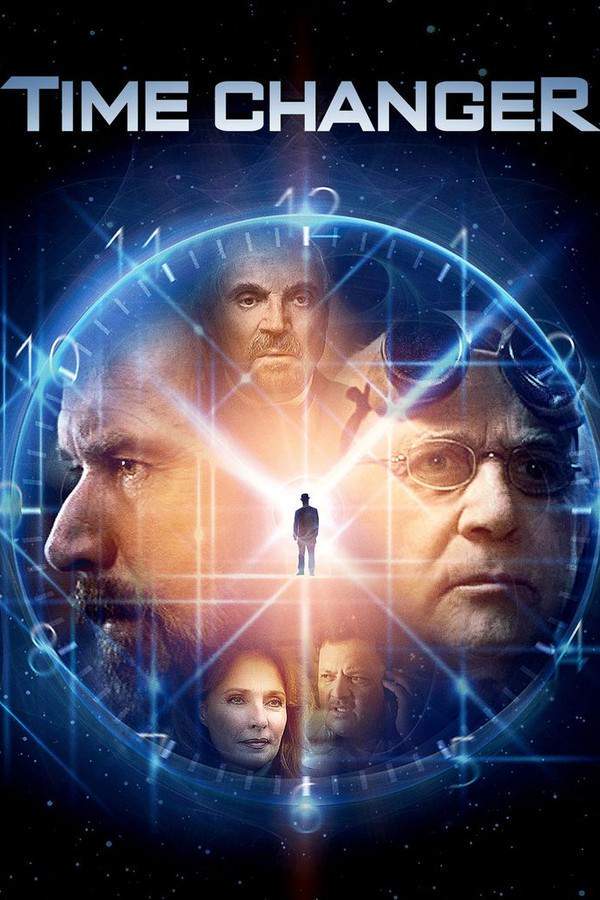
Professor Morin, a respected biblical scholar, is unexpectedly transported far into the future due to his research. He finds himself confronting the unforeseen repercussions of his work, and witnesses a world dramatically shaped by his discoveries. This journey prompts a profound examination of the intersection between faith, scientific advancement, and the enduring questions of humanity.
Warning: spoilers below!
Haven’t seen Time Changer yet? This summary contains major spoilers. Bookmark the page, watch the movie, and come back for the full breakdown. If you're ready, scroll on and relive the story!
Read the complete plot breakdown of Time Changer (2002), including all key story events, major twists, and the ending explained in detail. Discover what really happened—and what it all means.
As the year 1890 began, Russell Carlisle (D. David Morin), a dedicated Bible professor, found himself facing a significant moral quandary. When he reprimanded a young boy named Roger for stealing marbles from his neighbor, Carlisle’s sense of justice was ignited. He determined that Roger must not only return the stolen items but also sincerely apologize. Yet, when Roger hurriedly escaped, Carlisle couldn’t shake the notion that this encounter illustrated a larger societal issue: the urgent need to reconnect with the teachings of Christ in an increasingly secular world. His manuscript, which was on the verge of receiving unanimous approval from the board at Grace Bible Seminary, promised to revolutionize moral instruction, yet detached from the teachings of Jesus.
However, Dr. Norris Anderson (Gavin MacLeod), a colleague known for his controversial opinions, challenged this direction. He cautioned that teaching morality without incorporating Jesus would have dire consequences for future generations. The Dean, caught between their conflicting viewpoints, decided to postpone any decision until a resolution could be reached.
To mend fences, Anderson invited Carlisle to his home, where he claimed he had a revelation that would ultimately clarify their differences. Nevertheless, Carlisle stood firm, urging the Dean to move forward with the approval process, a notion the Dean rejected as he clung to the idea of unanimous agreement.
As tensions flared, Carlisle consented to meet with Anderson that night, unbeknownst to him of Anderson’s astonishing secret — a time machine engineered by Carlisle’s late father. Initially skeptical and amused, Carlisle’s laughter faded as he recognized the gravity of what lay before him.
The stakes were now set; Carlisle’s journey would catapult him four days into the future, through Wednesday night, with strict instructions to keep his identity concealed and refrain from learning his own destiny. However, he was tasked with finding Michelle Bain, a Christian librarian pivotal in Anderson’s time travel narrative.
Stepping into the late 20th century, Carlisle was overwhelmed by the drastic differences in societal values. He was confronted by issues like the surge in divorce rates, the glorification of underage drinking, and pervasive disrespect exhibited by children toward authority. The light-heartedness with which society regarded theft, once considered a severe transgression, left him utterly disillusioned. He was astounded by the immodest choices flaunted in stores, an avalanche of profanity in media, and a glaring absence of biblical teachings in educational settings.
In this disheartening environment, Carlisle found a much-needed ally in Bain (Jennifer O’Neill), who shared insights about the historical events that led society astray from its Christian roots. This sparked a deep regret within Carlisle, prompting him to seek divine forgiveness. As he contemplated humanity’s moral decline, two detectives from the local church grew increasingly wary of his peculiar behavior and identity.
Determined to uncover the truth, they arranged for Carlisle to deliver a sermon at a nearby church. With passionate urgency, he condemned the moral decline of the generation, cautioning them that their eternal destinies hung in the balance unless they sincerely committed to Christ. Meanwhile, the authorities continued their pursuit of Carlisle, and as he prepared to return to his own time, they confronted him in a dark alley. In a moment of defiance, he proclaimed himself a messenger of God, foretelling Christ’s return as the skies turned ominous before he vanished without a trace.
In the aftermath of this transformative experience, Carlisle revisited his earlier manuscript, infusing it with insights derived from his journey. He also sought Roger, imparting crucial wisdom about the profound wrongness of theft, which he directly attributed to the teachings of Jesus. Concurrently, Anderson endeavored to send a biblical text into the future, but his efforts were ultimately thwarted when the machine refused to operate within the timeline of 2100.
As this poignant narrative draws to a close, Anderson remains relentless in his quest for understanding, perpetually attempting to send the Bible to earlier periods despite repeated failures.
Last Updated: November 19, 2024 at 11:32
Discover curated groups of movies connected by mood, themes, and story style. Browse collections built around emotion, atmosphere, and narrative focus to easily find films that match what you feel like watching right now.
Characters are thrown into a future or past that challenges their deepest beliefs.Discover movies like Time Changer that use the culture shock of time travel to explore profound questions of faith, morality, and societal direction. If you enjoyed seeing a future shaped by ideas, you'll find similar thought-provoking sci-fi dramas here.
The narrative typically follows a fish-out-of-water arc where the protagonist's journey through time serves as a direct critique of either their own time or the one they've entered. The central conflict is ideological, leading to a climax where the character must impart a crucial moral lesson or correct a historical wrong, often resulting in a hopeful or redemptive conclusion.
These films are grouped by their shared focus on using temporal displacement for societal commentary rather than pure adventure. They create a specific vibe of urgent moral confrontation mixed with the intellectual tension of seeing a world built on different ethical foundations.
Stories where the central conflict is a battle of worldviews, not physical force.If you liked the tense debate and high-stakes moral confrontation in Time Changer, explore these movies where the central drama is a battle of ideas. These stories focus on ideological conflict, societal decay, and the power of a single voice to challenge an entire worldview.
The plot revolves around a protagonist who holds a minority or threatened worldview and must defend it against a dominant, opposing ideology. The story builds through dialogue, observation, and moral reasoning, leading to a climactic scene—often a speech or debate—where the core ideas are put to the ultimate test. The ending typically provides a sense of hope or validation for the protagonist's beliefs.
These films share a unique 'thriller' vibe generated by intellectual and spiritual conflict rather than action. They appeal to viewers who enjoy tense, dialogue-heavy narratives that explore big questions about society, faith, and human nature, creating a disheartening yet ultimately hopeful experience.
Don't stop at just watching — explore Time Changer in full detail. From the complete plot summary and scene-by-scene timeline to character breakdowns, thematic analysis, and a deep dive into the ending — every page helps you truly understand what Time Changer is all about. Plus, discover what's next after the movie.
Track the full timeline of Time Changer with every major event arranged chronologically. Perfect for decoding non-linear storytelling, flashbacks, or parallel narratives with a clear scene-by-scene breakdown.
Discover the characters, locations, and core themes that shape Time Changer. Get insights into symbolic elements, setting significance, and deeper narrative meaning — ideal for thematic analysis and movie breakdowns.
Get a quick, spoiler-free overview of Time Changer that covers the main plot points and key details without revealing any major twists or spoilers. Perfect for those who want to know what to expect before diving in.
Visit What's After the Movie to explore more about Time Changer: box office results, cast and crew info, production details, post-credit scenes, and external links — all in one place for movie fans and researchers.
Discover movies like Time Changer that share similar genres, themes, and storytelling elements. Whether you’re drawn to the atmosphere, character arcs, or plot structure, these curated recommendations will help you explore more films you’ll love.
Time Changer (2002) Scene-by-Scene Movie Timeline
Time Changer (2002) Movie Characters, Themes & Settings
Time Changer (2002) Spoiler-Free Summary & Key Flow
Movies Like Time Changer – Similar Titles You’ll Enjoy
Timecrimes (2008) Story Summary & Characters
Time Freak (2018) Movie Recap & Themes
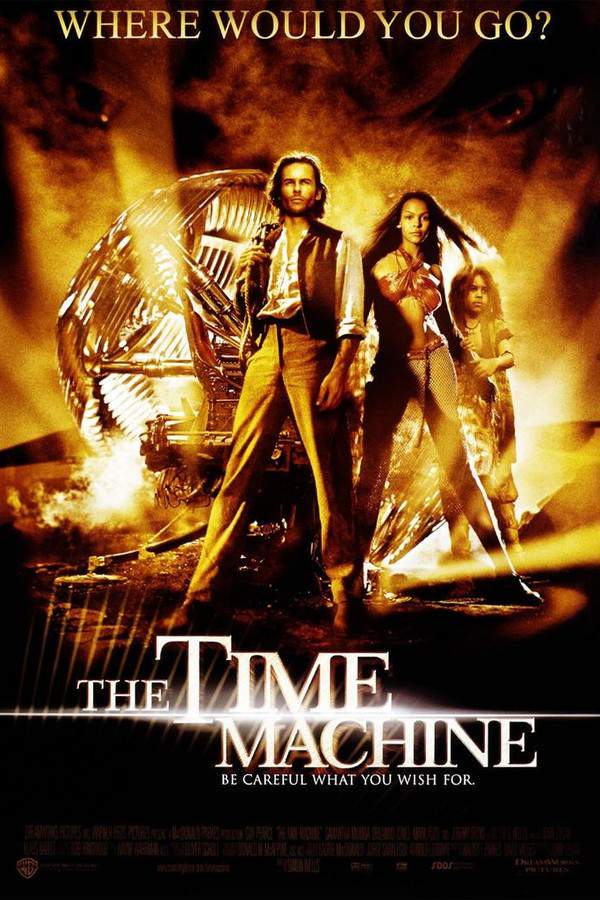
The Time Machine (2002) Plot Summary & Ending Explained
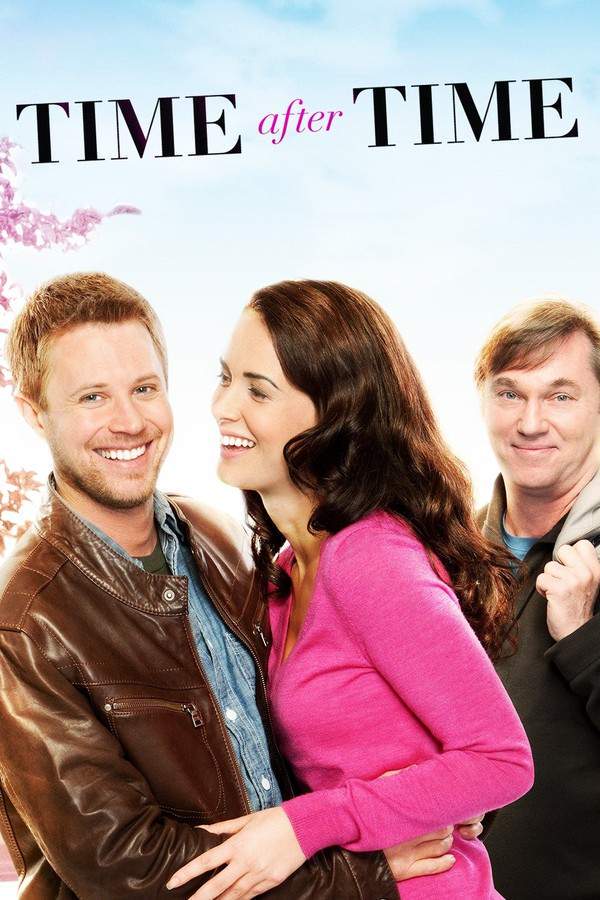
Time After Time (1979) Plot Summary & Ending Explained
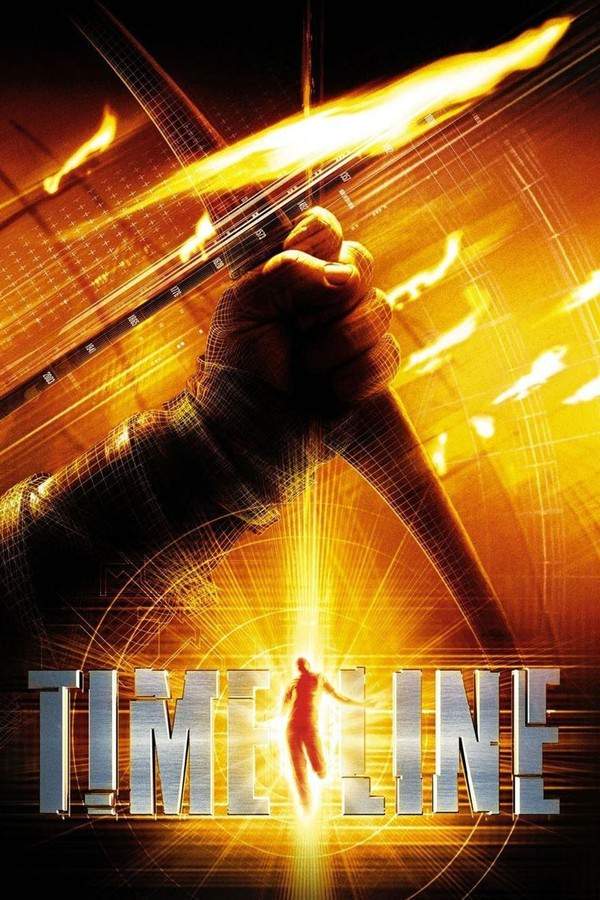
Timeline (2003) Film Overview & Timeline
For All Time (2000) Full Summary & Key Details
A Path in Time (2005) Plot Summary & Ending Explained
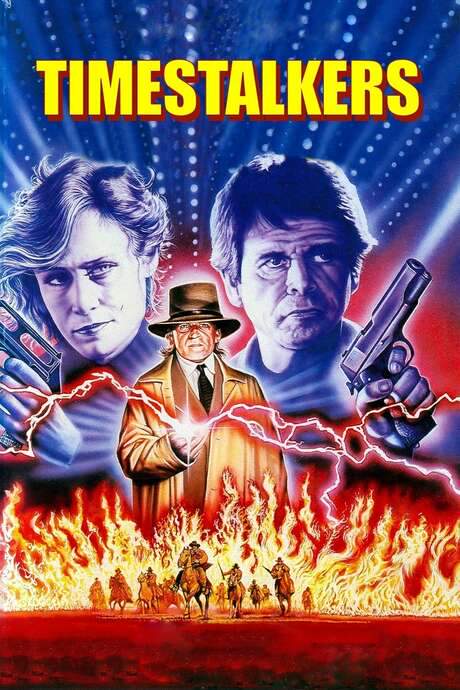
Time Trackers (1989) Story Summary & Characters
Temporal (2022) Detailed Story Recap
Time Chasers (1994) Detailed Story Recap
Timescape (1992) Full Summary & Key Details
Journey to the Center of Time (1967) Ending Explained & Film Insights
The Time Shifters (1999) Film Overview & Timeline
The Time Machine (1978) Spoiler-Packed Plot Recap
Beyond the Time Barrier (1960) Complete Plot Breakdown