Plot Explained Spoilers guaranteed!
Plot Explained

Browse by genre

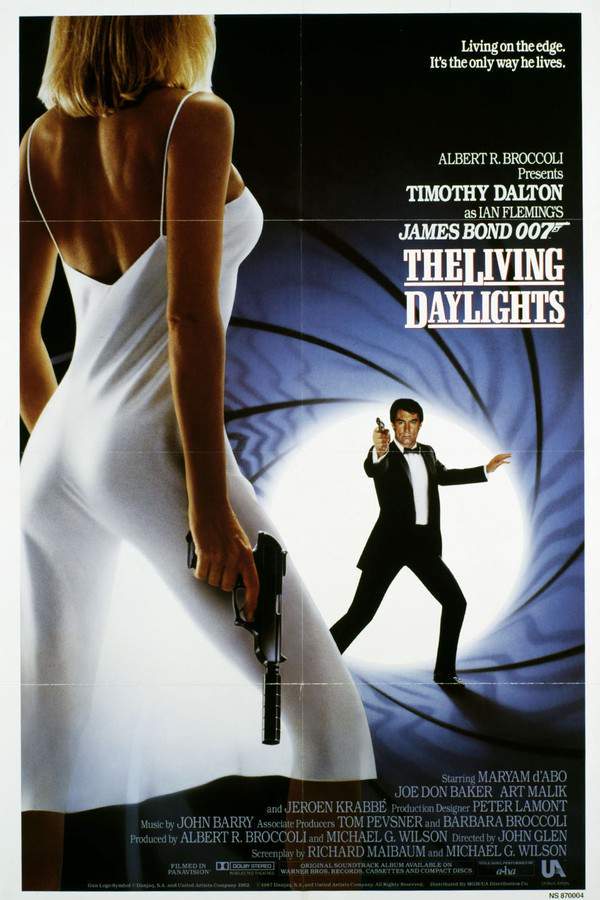
The Living Daylights (1987) movie poster

Plot Summary

The Living Daylights (1987) Plot Summary Explained

Release, runtime and language
1987 · 130 min · English
Loading streaming availability…
Directed by
John Glen
Starring
Timothy Dalton, Maryam d'Abo

British agent James Bond finds himself embroiled in a complex mission when a KGB officer defects to the West, claiming to possess vital information about a plot to assassinate those seeking to leave the Soviet Union. While protecting the defector, Bond uncovers a dangerous network of arms dealers and skilled killers, forcing him to confront a web of deceit and betrayal that could destabilize international relations. He must race against time to expose the truth and prevent a catastrophic escalation.

On this page (7)
  1. 1 Where to watch
  2. 2 What happens: full plot
  3. 3 Plot questions answered
  4. 4 The book behind the movie
  5. 5 Movie threads
  6. 6 Movies like The Living Daylights
  7. 7 Every angle
Loading streaming availability…

Full plot summary · contains spoilers

What Happens in The Living Daylights: Full Plot Summary

The whole story of The Living Daylights (1987) explained, from the opening scene to the final frame: every key event, every twist and what it all adds up to. Read it as a quick recap before the sequel, to check a scene you missed, or to finally understand what really happened.

As James Bond (Timothy Dalton) embarks on a mission to facilitate the defection of KGB General Georgi Koskov from a concert hall in Bratislava, he quickly finds himself ensnared in a complex web of lies and deceit. Originally assigned to ensure Koskov's escape, Bond's operation takes an unexpected turn when he identifies that the KGB sniper meant to "protect" the general is actually a skilled cellist from the orchestra. Instead of following through with his orders to eliminate her, Bond disarms the weapon and creatively uses the Trans-Siberian Pipeline to smuggle Koskov across the border.

After the hasty yet successful defection, Koskov informs MI6 about the resurgence of a grim KGB policy—"smert' shpionam," or "Death to Spies"—led by General Leonid Pushkin. This alarming revelation propels Bond to Tangier, where he seeks out Pushkin to neutralize this new threat. Things escalate for Bond when he discovers that a chilling message, "Smiert Spionam," was left by the assassin who killed 004 in Gibraltar, intensifying his resolve.

Bond's relentless search for Pushkin brings him back to Bratislava, only to unearth the shocking truth that Koskov's entire defection was a well-orchestrated scheme. The captivating cellist, Kara Milovy (Maryam d'Abo), turns out to be Koskov's girlfriend. With time running out, Bond must deftly convince Kara to trust him, leading her to Vienna in a daring plan to elude capture.

As they traverse the perilous layers of espionage and betrayal, Bond and Kara find themselves on the run from both the KGB and the Czech authorities. In an unfolding drama, Pushkin is seen meeting arms dealer Brad Whitaker, disclosing that the KGB has canceled an arms agreement originally made between Koskov and Whitaker.

During a brief pause in the high-stakes turmoil, Bond meets with his MI6 associate, Saunders, whose investigation into the financial ties between Koskov and Whitaker reveals critical information. However, tragedy strikes as Koskov’s henchman, Necros, murders Saunders, leaving an unmistakable message: "smert' shpionam". Bond and Kara immediately flee to Tangier, where they confront Pushkin.

In a surprising revelation, Pushkin claims ignorance about the KGB's frenzied hunt for spies, showing instead that Koskov is merely on the run for embezzling government funds. A fragile alliance forms between Bond and Pushkin, as they fake Pushkin's assassination to motivate Whitaker and Koskov to continue their plot. However, the truth emerges when Kara contacts Koskov, who attempts to convince her that Bond is a KGB agent, persuading her to drug him into capture.

Their journey takes an ominous turn when they land on war-torn Afghan soil, where Koskov's treachery is uncovered. He captures both Kara and Bond, leaving them to rely on their intuition and ingenuity for escape. Their desperate plight leads them to Kamran Shah, the audacious leader of the local Mujahideen. Together, they unveil Koskov's grand scheme to use Soviet funds to acquire a vast shipment of opium from the Mujahideen, intending to fill his own pockets and arm the Soviets with the proceeds.

Determined to thwart Koskov’s ploy, Bond collaborates with the Mujahideen to devise a strategy to sabotage the opium shipment. They plan to plant a bomb on the cargo plane transporting the drugs. Amidst the exhilarating chaos at the airfield, Bond finds himself trapped inside the plane while the Mujahideen valiantly attack on horseback in a fierce firefight against Soviet troops. Seizing an opportunity, Kara drives her jeep into the cargo hold as Bond takes off, and Necros attempts to board from a speeding vehicle.

In a heart-pounding showdown, Bond battles Necros in a desperate attempt to defuse the bomb. Just as the situation reaches a boiling point, he realizes the peril faced by Shah and his men under Soviet pursuit. With their lives hanging in the balance, Bond reactivates the bomb and jettisons the cargo, ensuring its destruction on a bridge nearby as Shah and his warriors escape the clutches of imminent danger.

As the aircraft crashes, Bond and Kara manage to evade disaster. Back in Tangier, Bond is intent on avenging Whitaker's betrayal, breaking into his estate with the reliable assistance of Felix Leiter. Meanwhile, Pushkin takes Koskov into custody, ensuring his transport back to Moscow "in the diplomatic bag" for his corrupt acts.

In a touching conclusion to their turbulent escapade, Kara is showcased performing as a solo cellist in Vienna. During an intermission, Shah and his guerrillas make a surprise visit, where they meet General Gogol, a pivotal figure from the KGB. As the concert nears its end, Bond makes a dramatic entrance into Kara's dressing room, rekindling their romance with a passionate embrace, closing a chapter filled with espionage, betrayal, and unexpected alliances.
Last updated: November 22, 2024 at 13:58

Was this helpful?

Plot questions answered

The Living Daylights Plot Explained: Your Questions Answered

The questions people ask most about The Living Daylights (1987): what happens in the confusing scenes, why the characters do what they do, the twists, hidden details and what the ending means. Each answer contains spoilers.

Q1

Why does Bond spare the KGB sniper during the Bratislava mission?

Bond realizes the KGB sniper is actually a cellist from the orchestra, not a professional assassin. Rather than eliminating her as ordered, he disarms her weapon and spares her life. This decision proves crucial later when he discovers she is Kara Milovy, Koskov's girlfriend, and wins her trust to help him escape.

Foreshadowing: Bond's choice to spare her early in the film sets up their later relationship and her crucial role in the climax.

  • Kara Milovy
  • cellist
  • Bratislava
  • sniper
  • mercy
Q2

What does "smert shpionam" mean and why is it important?

"Smert shpionam" is Russian for "Death to Spies," a brutal KGB policy supposedly reinstated by General Pushkin. Koskov uses this fabricated threat to convince MI6 that Pushkin is a dangerous enemy, when in reality the policy never existed. The phrase appears as a threatening message after murders, creating false justification for assassination plots.

Foreshadowing: The message "smert shpionam" left at Saunders' murder scene drives Bond's pursuit of Pushkin.

  • smert shpionam
  • Death to Spies
  • KGB
  • Pushkin
  • threat
Q3

Why was Koskov's defection a trap?

Koskov's entire defection was orchestrated by himself and arms dealer Brad Whitaker. It was not genuine, he faked his betrayal of the KGB to gain Western trust and access to enemy resources. His real goal was to embezzle Soviet government funds and profit from an illegal arms deal, using the defection as cover for his criminal activities.

Foreshadowing: Early signs of deception appear when Bond notices inconsistencies in the operation from the start.

  • Georgi Koskov
  • defection
  • betrayal
  • arms deal
  • deception
Q4

Was General Pushkin actually a villain in the film?

General Pushkin is not a villain. While initially presented as the antagonist behind the "smert shpionam" policy, Bond discovers Pushkin had nothing to do with it. Pushkin is actually an honest officer targeted by Koskov's scheme. He teams up with Bond to expose Koskov's fraud, and they fake Pushkin's assassination to draw out the real villains.

Foreshadowing: Pushkin's meeting with Whitaker reveals he cancelled the arms deal, not initiated evil plots.

  • General Pushkin
  • KGB
  • alliance
  • villain
  • misunderstanding
Q5

Why does Kara Milovy drug Bond and betray him?

Koskov manipulates Kara by convincing her that Bond is actually a KGB agent sent to kill her. Believing Bond's protection is a ruse to deliver her to Soviet forces, Kara drugs Bond with sleeping pills to escape. Her betrayal stems from genuine fear for her life and her emotional vulnerability as Koskov's girlfriend, not from treachery toward Bond.

Foreshadowing: Kara's loyalty to Koskov was established from the moment Bond discovers she is his girlfriend.

  • Kara Milovy
  • betrayal
  • drugs
  • Koskov
  • trust
Q6

What was Koskov's real plan with the opium shipment?

Koskov devised a scheme to steal Soviet government funds meant for arms purchases. He planned to use that money to buy a massive shipment of Afghan opium from the Mujahideen. The profits would fill his own pockets while the Soviets would receive nothing, essentially embezzling state funds through a fake arms deal.

Foreshadowing: The aborted arms deal between Koskov and Whitaker sets up the opium scheme reveal.

  • opium
  • Mujahideen
  • Afghanistan
  • Koskov
  • drug shipment
  • scheme
Q7

Why does Bond sacrifice the bomb and destroy the cargo plane?

Bond discovers that Kamran Shah and his Mujahideen fighters are trapped under Soviet attack while the plane prepares to take off with the bomb aboard. Rather than allowing the bomb to detonate and kill his allies, Bond activates the jettison system to release the cargo, destroying the opium shipment on a bridge below while ensuring Shah and his men can escape to safety.

Foreshadowing: The earlier scene showing Shah and men on the ground establishes their vulnerable position.

  • bomb
  • cargo plane
  • Mujahideen
  • sacrifice
  • Kamran Shah
Q8

How do Bond and Pushkin go from enemies to allies?

In Tangier, Bond confronts Pushkin expecting to find the mastermind behind the spy-hunting campaign. Instead, Pushkin reveals he knows nothing about the killings and that Koskov is simply a fugitive embezzling government money. Recognizing a common enemy, they form a temporary alliance and fake Pushkin's assassination to诱使 Koskov and Whitaker into continuing their plot.

Foreshadowing: The message "smert shpionam" was fabricated to frame Pushkin, which becomes clear during their confrontation.

  • Pushkin
  • alliance
  • Tangier
  • fake death
  • cooperation
Q9

What happens to Necros at the airfield?

Necros, Koskov's henchman and the killer of Saunders, attempts to board the moving cargo plane as it takes off. During an intense fight on the plane's wing with Bond, Necros is ultimately killed when he is knocked off the aircraft while attempting to plant explosives. His death concludes his role as Koskov's primary muscle.

Foreshadowing: Necros' earlier murder of Saunders establishes him as a primary antagonist before the climactic confrontation.

  • Necros
  • henchman
  • death
  • airfield
  • fight
Q10

What happens to Brad Whitaker at the end?

After Koskov's scheme collapses, Bond breaks into Whitaker's Tangier estate with Felix Leiter's assistance to make him face justice. Whitaker is presumably captured along with Koskov. Pushkin takes personal responsibility for Koskov, arranging to transport him back to Moscow "in the diplomatic bag" for his crimes against the Soviet state.

Foreshadowing: Whitaker's arms dealer role and financial ties to Koskov were established earlier through Saunders' investigation.

  • Brad Whitaker
  • arrest
  • Tangier
  • Felix Leiter
  • arms dealer
Q11

What happens to Kara at the end of the film?

Kara survives and returns to her career as a cellist. In the final scene, she performs a solo concert in Vienna. During intermission, General Gogol (representing the KGB) visits with Kamran Shah and his guerrillas, a symbolic moment showing reconciliation between former enemies. Bond then arrives in her dressing room, and they rekindle their romance.

Foreshadowing: Her skill as a cellist was established in Bratislava, setting up her return to music.

  • Kara Milovy
  • Vienna
  • concert
  • cellist
  • reunion
  • ending
Q12

What does "diplomatic bag" mean when referring to Koskov's fate?

"In the diplomatic bag" is a reference to transporting Koskov back to Moscow via diplomatic pouch, a method that grants immunity from search or interception. Pushkin arranges this punishment for Koskov's crimes against the Soviet state, ensuring the embezzler returns to face Soviet justice rather than Western prosecution.

Foreshadowing: This darkly humorous ending was set up by Pushkin's authority as a high-ranking KGB general.

  • diplomatic bag
  • Moscow
  • Pushkin
  • punishment
  • transport

Movie threads

More Movies Like The Living Daylights, by Mood & Story

Curated lists built around what makes The Living Daylights tick: the same mood, the same kind of story or the same emotional payoff. Each list explains why these movies belong together.

Cold War Spy Thrillers like The Living Daylights

Spy thrillers set against the tense backdrop of global superpower conflict. Explore films similar to The Living Daylights that capture the tense, high-stakes atmosphere of Cold War espionage. If you enjoyed the geopolitical intrigue, defectors, and dangerous missions of this James Bond film, you'll find more movies like it here featuring similar thrilling stories of betrayal and conspiracy.

  • suspenseful
  • tense
  • paranoid
  • urgent
  • thrilling
  • geopolitical
  • Tone: tense, paranoid, urgent
  • Pacing: fast, driven by global movement
Why these movies?

The story pattern: Narratives typically follow an agent unraveling a complex conspiracy, often starting with a defection or assassination attempt that reveals a larger, more dangerous plot. The journey is linear and mission-focused, moving quickly across international locations as the hero works to expose the truth and prevent escalation, navigating a web of lies where allies can become enemies.

Why they belong together: Movies are grouped here for their shared setting, tone, and thematic focus. They all leverage the real-world tensions of the Cold War to create a foundation of immediate, high-stakes conflict. The mood is consistently tense and suspenseful, driven by a clear ideological divide and the ever-present risk of betrayal from within.

Fast-Paced Mission Action Movies like The Living Daylights

Fast-paced adventures where a hero races across the world to stop a threat. Discover movies with a similar high-energy, mission-focused pace to The Living Daylights. If you liked the globe-trotting adventure, relentless action sequences, and clear objective of this Bond film, this list features similar thrilling stories where a hero must complete a dangerous task against the clock.

  • adventurous
  • urgent
  • thrilling
  • action-packed
  • suspenseful
  • romantic
  • Tone: tense, thrilling, adventurous
  • Pacing: fast, relentless
Why these movies?

The story pattern: The narrative pattern is straightforward: a threat is identified, a hero is assigned a mission, and the plot becomes a linear sequence of obstacles, chases, and confrontations in diverse settings. Character development is secondary to the execution of the mission, which builds towards a final, decisive confrontation with the villains, resulting in a clear victory.

Why they belong together: These films are united by their relentless pacing and objective-driven storytelling. The shared experience is one of constant momentum and exciting spectacle. The tone is tense and thrilling but ultimately leans towards a hopeful, action-hero resolution, providing an adrenaline-fueled ride with a cathartic, happy ending.

If you liked this

Movies Like The Living Daylights

Similar movies to The Living Daylights: the same genre, themes or kind of story. Each one comes with its own plot summary, timeline and ending explained.

Browse all movie summaries

Every angle

The Living Daylights (1987) Explained: Plot, Timeline & Characters

Everything about The Living Daylights in one place: what happens in the plot summary, the timeline in chronological order, the characters and meaning and a spoiler-free summary. What's After the Movie adds the cast, box office and post-credit scenes.

Coming soon on iOS and Android

The Plot Explained Movie Summary App

Plot summaries, endings explained and timelines on your phone. Catch up on any movie in minutes, save your favorites and never miss a twist again.

Be the first to know when we launch. Your email stays private, always.

Learn more about the app