










Plot Explained Spoilers guaranteed!
Plot Explained

Browse by genre

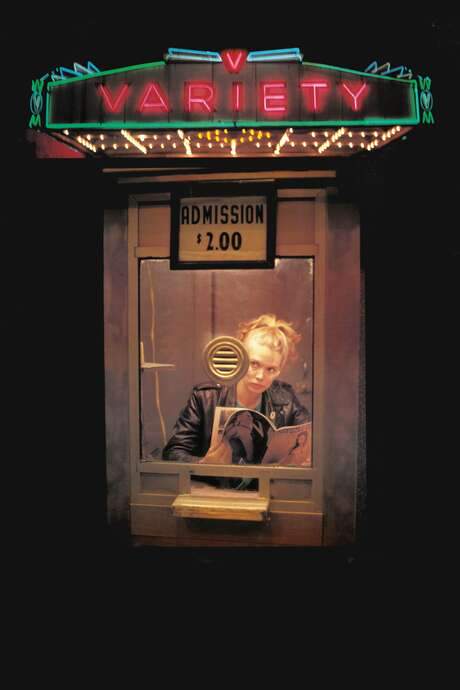
Madrid, 1987 (2012) movie poster

Timeline

Madrid, 1987 (2012) Timeline Explained – Every Event in Order

Release, runtime and language
2012 · Spanish
Directed by
David Trueba

In the heat of 1987 Madrid, journalist Miguel finds himself drawn into a complex relationship with the driven student Ángela. Their charged encounters ignite a battle between desire and inspiration, forcing them to confront personal ambitions and the profound societal changes sweeping through Spain as the nation moves beyond the legacy of Franco's dictatorship. They must navigate a landscape of shifting values and personal conflict.

On this page (6)
  1. 1 Where to watch
  2. 2 Events in order (15)
  3. 3 Timeline questions answered
  4. 4 Movie threads
  5. 5 Movies like Madrid, 1987
  6. 6 Every angle

Where to watch

Where to Watch Madrid, 1987 (2012)

Where can you watch Madrid, 1987? Stream, rent or buy it in the US, including on Fawesome, Kanopy and Fandango at Home Free: current JustWatch availability with up-to-date prices.

Streaming availability powered by JustWatch

15 events in order · contains spoilers

Madrid, 1987 Timeline: Events in Chronological Order

Every key event of Madrid, 1987 (2012) in order, scene by scene, with when and where it takes place. Use it to untangle flashbacks, time jumps and parallel storylines, to refresh your memory before the sequel or to find the exact scene you are thinking of.

  1. First Encounter

    In the scorching summer of 1987, Miguel, a seasoned journalist, meets Ángela, an ambitious journalism student, at a local diner. Ángela interviews Miguel for her essay, drawing out his thoughts and opinions, while Miguel is critical of her youthful idealism.

    When
    Summer 1987
    Where
    Diner
  2. Invitation to Luis' House

    After their intense conversation at the diner, Miguel invites Ángela to Luis' empty house. Though hesitant, Ángela agrees, looking forward to a more candid discussion about journalism away from public scrutiny.

    Where
    Luis' House
  3. Revealing Flaws

    At Luis’ house, Miguel inspects the paintings and criticizes their imperfections, drawing parallels to his own life's flaws. Despite Ángela's protests, Miguel insists that these imperfections are part of the beauty of art and life.

    Where
    Luis' House
  4. Shift in Dynamics

    As the night progresses, Miguel begins to dismantle Ángela's idealistic views while sharing jaded advice through sharp sarcasm. The atmosphere becomes charged, leading to an unexpected kiss that surprises Ángela.

    Where
    Luis' House
  5. Breaking Boundaries

    The encounter takes a provocative turn when Miguel suggests that Ángela strip, asserting his authenticity. Ángela resists, demonstrating the tension between their mentor-mentee relationship and the burgeoning romantic interest.

    Where
    Luis' House
  6. Unexpected Return

    Just when it seems their encounter has reached its peak, Ángela returns bearing vulnerability, leading Miguel to paint her. Their artistic moment signifies a deepening intimacy as they navigate this unexpected connection.

    Where
    Luis' House
  7. Locked in Tension

    While washing off paint, the couple finds themselves locked in the bathroom, amplifying the sense of intimacy and entrapment. Their conversations shift dramatically as they navigate their feelings and mounting anxiety.

    Where
    Bathroom
  8. Revelation of Backgrounds

    As they talk, Ángela reveals her connections to a notable fascist soldier, prompting Miguel to share his tumultuous history with fascists and his previous romantic interest in her sister. This revelation adds complexity to their interaction.

    Where
    Bathroom
  9. Climactic Tension

    In a moment of overwhelmed attraction, Miguel traces Ángela's form while she attempts to call for help. The burgeoning intimacy turns precarious as tensions rise between their desires and personal boundaries.

    Where
    Bathroom
  10. Moment of Surrender

    As inhibitions continue to fade, Ángela disrobes, signaling a deepening connection with Miguel. Their passionate entanglement symbolizes a shared transformation that transcends their initial mentor-mentee dynamic.

    Where
    Bathroom
  11. Guilty Conscience

    After their intimate encounter, Miguel expresses guilt, igniting anger in Ángela. She criticizes his self-centered actions, threatening to incorporate his remarks into her essay about their tumultuous night.

    Where
    Bathroom
  12. Whimsical Storytelling

    To alleviate the tension, Miguel begins to tell a whimsical story about a boy who refuses to leave his bed. This story, framed cinematically, serves as a distraction from the realities of their situation.

    Where
    Bathroom
  13. Luis' Arrival

    Their playful moment is disrupted by the unexpected return of Luis, alerted by a concerned worker. Ángela hastily dresses and leaves, but not before leaving her glasses behind as a poignant reminder of their charged evening.

    Where
    Luis' House
  14. Reflections on the Encounter

    After Ángela's departure, Luis questions Miguel about the possibility of seeing her again. Miguel philosophically responds, hinting at the unresolved dynamics of their encounter and the lingering impact on both of their lives.

    Where
    Luis' House
  15. Open-Ended Departure

    Ángela walks home through a serene neighborhood, surrounded by laughter and music. The final scene leaves her fate ambiguous, inviting viewers to reflect on her transformative experience and its significance.

    Where
    Neighborhood

Last updated: November 18, 2024 at 20:51

Was this helpful?

Timeline questions answered

Madrid, 1987 Timeline Explained: Your Questions Answered

When does it happen, and why in that order? The questions people ask about the chronology of Madrid, 1987 (2012): time jumps, flashbacks, cause and effect between scenes and the correct order of events, each answered with spoilers.

Q1

Why does Miguel invite Ángela to Luis' empty house?

Miguel invites Ángela to his friend Luis' house under the pretense of continuing their journalism discussion in a more private setting. However, his real intention is to pursue a romantic or sexual encounter. When they arrive, Miguel reveals that Luis won't return until Monday, giving them complete privacy. This invitation establishes the power dynamic between the experienced older journalist and the naive student, showing Miguel's willingness to use his position and access to manipulate the situation.

  • miguel
  • angela
  • luis house
  • invitation
  • journalism
Q2

Why is Miguel so harsh toward Ángela's journalism work?

Miguel's harsh criticism stems from his jaded worldview and resentment toward youthful idealism. As a seasoned journalist who has grown disillusioned with the profession, he views Ángela's enthusiastic and romanticized approach as naive and clichéd. His harshness is also a defense mechanism, dismissing her idealism allows him to protect his own cynicism. However, his reluctant acknowledgment of her potential reveals a deeper attraction beneath his contempt.

  • miguel
  • angela
  • journalism
  • criticism
  • idealism
Q3

Why does Miguel remove Ángela's glasses before kissing her?

Miguel removing Ángela's glasses serves as a symbolic act of vulnerability and intimacy. By taking off her glasses, he literally strips away one of her defenses and creates a more intimate atmosphere between them. This gesture also demonstrates Miguel's willingness to take control of the situation, physically removing barriers between them before leaning in for the kiss.

  • miguel
  • angela
  • glasses
  • kiss
  • intimacy
Q4

Why does Miguel ask Ángela to strip?

Miguel's provocative suggestion that Ángela strip is a test of her willingness to be vulnerable and authentic. He frames it as being true to oneself, claiming he has never shrouded his intentions in deceit. This moment represents a significant boundary push in their mentor-mentee dynamic, revealing Miguel's true intentions beneath the guise of journalism mentorship. His boldness shocks Ángela, though she initially refuses.

  • miguel
  • angela
  • strip
  • boundary
  • authenticity
Q5

Why does Ángela come back to the house after initially leaving?

After Miguel makes his provocative suggestion and she leaves, Ángela unexpectedly returns to the house. This return signals her decision to engage with the encounter on her own terms rather than simply rejecting Miguel's advances. When she reenters with her upper body exposed, she takes control of the narrative, transforming from the object of Miguel's attention to an active participant willing to be painted, a moment of bold vulnerability that shifts the power dynamic between them.

  • angela
  • return
  • paint
  • vulnerability
  • choice
Q6

How do Miguel and Ángela end up locked in the bathroom?

After Miguel paints Ángela and she goes to wash off the paint, they find themselves locked in the bathroom. The narrative implies the door somehow became locked from the outside, trapping them together in this confined space. This unexpected entrapment intensifies the psychological tension of the film, forcing them to confront their feelings for each other in increasingly intimate circumstances without the ability to easily escape.

  • bathroom
  • locked
  • entrapment
  • tension
  • confinement
Q7

Why does Ángela reveal that her father is a fascist soldier?

During their conversation trapped in the bathroom, Ángela reveals her father is a notable fascist soldier. This revelation adds significant complexity to their interaction, connecting the personal to the political. It explains why Miguel is intrigued despite his own history with fascists, and why he shares his failed romantic attempts with her sister. The reference to Spain's Franco-era past reflects the film's thematic exploration of generational divides and changing values in post-dictatorship Spain.

  • angela
  • father
  • fascist
  • spain
  • politics
  • dictatorship
Q8

Why does Miguel touch Ángela while she's on the chair?

When Ángela attempts to call for help through the vent while balancing on a chair, Miguel seizes the opportunity to physically act on his desires. He traces her form in what begins as a seemingly helpful gesture but becomes an inappropriate advance. Although Ángela initially allows this contact, she ultimately protests when his actions become too brazen, wrapping herself in the towel for protection and rejecting his boundary violations.

  • miguel
  • angela
  • touch
  • chair
  • boundaries
Q9

Why does Miguel pull away when Ángela allows his kiss?

When Miguel attempts to kiss Ángela and she allows it, he suddenly pulls away, leaving her confused. This moment demonstrates Miguel's internal conflict, he actively pursues Ángela but then withdraws when she reciprocates. His pattern of advancing then retreating reflects his deeper emotional issues and fear of genuine connection. The pullaway creates uncertainty about his true intentions, whether he's testing her or genuinely conflicted about crossing boundaries.

  • miguel
  • angela
  • kiss
  • pull away
  • confusion
Q10

Why does Miguel say he feels guilty after being intimate with Ángela?

After their passionate encounter in the dark, Miguel expresses guilt, which angers Ángela. His guilt likely stems from multiple sources: his manipulation of the situation, the mentor-mentee power imbalance, his wife's potential fury, and his realization that he has used Ángela for his own satisfaction without genuine emotional connection. His self-centered remark about feeling guilty provokes her to threaten including his insensitive comments in her essay, a cutting critique of his character.

  • miguel
  • guilt
  • intimacy
  • angela
  • essay
  • self-centeredness
Q11

What is the purpose of Miguel's story about the boy who refuses to leave his bed?

Miguel tells a whimsical, cinematic story about a boy who refuses to leave his bed as a way to diffuse the tension after his guilty remark angers Ángela. The story serves as a distraction and an attempt to reconnect with her through shared imagination. The mysterious boy who disappears without explanation mirrors their own trapped situation and the ambiguity of their encounter, it passes briefly, leaving others wondering about its meaning and the characters' whereabouts.

  • miguel
  • story
  • boy
  • bed
  • distraction
  • ambiguity
Q12

Why does Luis return to his house unexpectedly?

Luis returns earlier than expected because a concerned worker had overheard Miguel and Ángela's earlier pleas for help when they were locked in the bathroom. This worker alerted Luis, causing him to come home unexpectedly. Luis's arrival forces a sudden end to their encounter, prompting Ángela to hastily dress and leave. This interruption represents the intrusion of the outside world into their isolated, intense night together, abruptly ending their transformative experience.

  • luis
  • return
  • worker
  • interruption
  • ending
Q13

What is the significance of Ángela leaving her glasses behind?

When Ángela rushes to leave after Luis arrives, she leaves her glasses on the table. This detail serves as a physical reminder of the whirlwind evening they shared, something tangible left behind from their intimate encounter. The glasses also symbolize her vulnerability and the incomplete nature of their connection. In the final scene, Ángela walks home without her glasses, suggesting she has been transformed by the experience and left a part of her old self behind.

  • angela
  • glasses
  • left behind
  • reminder
  • transformation
Q14

What does Miguel mean when he says if Ángela returns, it would be to Luis' home?

When Luis asks Miguel if he expects to see Ángela again, Miguel responds philosophically that if she were to return, it would be to Luis' home, implying their connection is tied to this specific place and night rather than to him personally. This cryptic response suggests Miguel understands the encounter was a fleeting, transformative moment tied to circumstance and location, not the beginning of a lasting relationship. It reflects the film's themes of brief, intense connections and the ambiguous futures of both characters.

  • miguel
  • luis house
  • return
  • philosophy
  • encounter
Q15

What does the ending imply about Ángela's fate?

The film ends with Ángela walking home through a serene neighborhood filled with laughter and music, her fate deliberately left ambiguous. This open-ended conclusion suggests she returns to her old life, her parents' home and her studies, but is forever changed by the night's events. The peaceful, almost ethereal atmosphere implies a sense of resolution and transformation rather than tragedy. Her story remains unresolved, leaving viewers to contemplate the lasting impact of her encounter with Miguel on her future choices and worldview.

  • ending
  • angela
  • walking home
  • ambiguous
  • transformation

Movie threads

More Movies Like Madrid, 1987, by Mood & Story

Curated lists built around what makes Madrid, 1987 tick: the same mood, the same kind of story or the same emotional payoff. Each list explains why these movies belong together.

Claustrophobic Dialogue-Driven Dramas like Madrid, 1987

Intense character studies where conversation becomes a cage. If you liked the intense, single-location tension of Madrid, 1987, you'll appreciate these movies that also build drama through confined settings and powerful conversations. This list features films where psychological sparring and sexual tension unfold in real time, creating a gripping character study.

  • claustrophobic
  • tense
  • charged
  • dialogue-heavy
  • psychological
  • sensual
  • Tone: tense, charged, introspective
  • Pacing: slow, deliberate, real-time feel
Why these movies?

The story pattern: Narratives in this thread unfold primarily through dialogue in a limited setting, often in real-time or over a short period. The plot is minimal; the focus is on the shifting power dynamics and emotional revelations between a small cast of characters, leading to an ambiguous or transformative conclusion.

Why they belong together: Movies are grouped here based on their shared use of a claustrophobic setting to amplify psychological tension, a slow-burn pacing driven by dialogue, and a focus on the complex, often charged relationship between a small number of characters.


Movies about Generational Conflict and Political Change like Madrid, 1987

Where personal ambition collides with the weight of history. For viewers who enjoyed the thematic depth of Madrid, 1987, this list collects films that similarly explore the clash between cynicism and idealism against a backdrop of political transition. These dramas use personal relationships to mirror larger societal shifts.

  • introspective
  • melancholic
  • cynical
  • idealism
  • political
  • generational
  • Tone: melancholic, cynical, tense
  • Pacing: slow to steady, character-focused
Why these movies?

The story pattern: The narrative follows characters from different generations—often in a mentor-student or similar dynamic—whose conflicting worldviews are exacerbated by the changing world around them. The story is a character-driven exploration of how history and personal ambition intersect, often leading to bittersweet or ambiguous resolutions.

Why they belong together: This thread connects movies that share a focus on the thematic conflict between generations, use a specific historical or political moment as a crucial backdrop, and balance personal drama with broader social commentary.

If you liked this

Movies Like Madrid, 1987

Similar movies to Madrid, 1987: the same genre, themes or kind of story. Each one comes with its own plot summary, timeline and ending explained.

Browse all movie summaries

Every angle

Madrid, 1987 (2012) Explained: Plot, Timeline & Characters

Everything about Madrid, 1987 in one place: what happens in the plot summary, the timeline in chronological order, the characters and meaning and a spoiler-free summary. What's After the Movie adds the cast, box office and post-credit scenes.

Coming soon on iOS and Android

The Plot Explained Movie Summary App

Plot summaries, endings explained and timelines on your phone. Catch up on any movie in minutes, save your favorites and never miss a twist again.

Be the first to know when we launch. Your email stays private, always.

Learn more about the app