Set in 19th-century Paris, this story explores the complex relationships between a reserved doctor, a fervent artist, and a shrewd brothel owner. Their lives intertwine through narratives of love, betrayal, and longing, drawing inspiration from the celebrated short stories of Guy de Maupassant. The film delves into the desires and secrets that lie beneath the surface of a seemingly glamorous society.
Find where to stream, rent, or buy House of Pleasures (2011) in the US with current JustWatch availability, up-to-date pricing, and platform listings for subscription, rental, and digital purchase options.
Warning: spoilers below!
Haven’t seen House of Pleasures yet? This summary contains major spoilers. Bookmark the page, watch the movie, and come back for the full breakdown. If you're ready, scroll on and relive the story!
Trace every key event in House of Pleasures (2011) with our detailed, chronological timeline. Perfect for unpacking nonlinear stories, spotting hidden connections, and understanding how each scene builds toward the film’s climax. Whether you're revisiting or decoding for the first time, this timeline gives you the full picture.
Last updated: November 16, 2024 at 14:46
Find frequently asked questions about the House of Pleasures (2011) timeline, including chronological order, nonlinear jumps, cause-and-effect links, and scene sequence clarifications. This timeline FAQ helps explain when key events happen, how moments connect, and why the story unfolds in that specific order.
The ending serves as a powerful thematic statement. By showing present-day women working the streets, the film conveys that despite the passage of over a century, the fundamental circumstances for sex workers have not changed. The phrase 'plus ça change, plus c'est le même commerce' (the more things change, the more they stay the same) encapsulates this message, suggesting the exploitation and desperation remain consistent across time periods.
Earlier scenes depicting the harsh daily realities of the 1899 brothel women foreshadow this modern parallel by highlighting recurring themes of survival and exploitation.
This graphic imagery represents the profound psychological trauma experienced by the prostitute. The once-beautiful woman visualizes her client's bodily fluid as tears streaming down her face, symbolizing the emotional violation and deep-seated pain she endures through her work. It transforms a physical act into a visual representation of the emotional destruction caused by years of exploitation.
The earlier depiction of her worn appearance and emotional scars hints at the psychological toll that culminates in this vision.
These meticulous details serve a documentary-like purpose, grounding the narrative in historical reality while highlighting the transactional nature of the women's work. Money represents their survival dependency, cosmetics reflect the performance aspect of their labor, and hygiene scenes underscore the constant health threats they face. Together, these elements paint a comprehensive picture of the women's lived experience beyond romanticized notions of the 'belle époque'.
The opening introduction establishes this attention to material details as a core narrative approach.
The film deconstructs the myth of the 'belle époque' by showing it was not beautiful for the women working in the brothel. While affluent patrons experienced elegance and pleasure, the women endured emotional scars, societal judgment, health risks, and a loss of autonomy. The film suggests their situation was preferable only to the alternatives of wandering the streets or laboring in sweatshops, a damning commentary on the limited choices available to women at the time.
The initial contrast between the brothel's decor and the women's expressions establishes this dichotomy from the start.
The women develop strong bonds of camaraderie with each other, providing mutual support against their shared adversity. They also engage in theatrical performances that showcase their talents, serving as both an artistic escape and a source of resilience. These elements of sisterhood and creative expression represent their psychological coping mechanisms amid oppressive conditions.
The progression from individual struggles to group solidarity shows how these relationships develop throughout the narrative.
The oppressive atmosphere conveys the psychological imprisonment the women experience. The haute-bourgeois decor creates visual beauty that masks moral ugliness, while the 'languid, almost timeless' quality renders each day indistinguishable, suggesting a loss of hope and forward momentum. This carefully crafted mood immerses viewers in the suffocating reality the women cannot escape.
The initial introduction establishes this mood as the dominant atmosphere that will define the women's existence.
The depiction of STDs serves as a stark reminder of the physical dangers inherent in the women's work, adding a layer of constant risk to their daily lives. This reality emphasizes the toll taken on both their physical health and emotional well-being, grounding the narrative in the genuine hazards these women faced rather than romanticizing their circumstances.
Earlier scenes of the women's daily routines build toward understanding these health threats as an ever-present danger.
The performances represent a form of agency and artistic expression within an otherwise oppressive environment. They allow the women to showcase talents beyond their transactional role, providing moments of escape from their grim realities while also demonstrating their resilience and artistry. These scenes serve as both narrative relief and commentary on the multifaceted identities of the women.
The daily life details build toward these performances as moments of transformation and self-expression.
The years 1899-1900 mark the cusp of the 20th century, a period often romanticized as the height of Parisian elegance. By setting the story in this era, the film deliberately contrasts the glamorous reputation of the 'belle époque' with the harsh truth experienced by the women, making the social critique more powerful by debunking a celebrated historical myth.
The opening framing establishes these years as deliberately chosen for their historical significance.
Maupassant's work often exposed the hypocrisy and moral corruption of French society, particularly regarding women's roles and sexuality. Drawing from his stories allows the film to maintain historical authenticity while delivering a critical perspective on turn-of-the-century morality. The literary foundation reinforces the film's intent to examine the genuine desires and secrets beneath society's polished surface.
The thematic emphasis on secrets and desires aligns directly with Maupassant's narrative style.
The title is deliberately ironic. While 'house of pleasures' suggests a location of enjoyment and fulfillment, the film reveals it as a house of exploitation, emotional trauma, and survival. The pleasures are exclusively for the male patrons; for the women, it represents a prison of necessity rather than desire, making the title a critique of how society names and tolerates such establishments.
The opening portrayal immediately undermines any positive connotation the title might suggest.
Discover curated groups of movies connected by mood, themes, and story style. Browse collections built around emotion, atmosphere, and narrative focus to easily find films that match what you feel like watching right now.
Films exploring lives constrained by grim, inescapable social structures.If you were captivated by the candid depiction of life inside the brothel in House of Pleasures, you'll find similar films here. These movies explore the dynamics of power, exploitation, and survival within other grim, confining institutions, offering a raw look at systemic oppression.
Stories in this thread typically follow a collective or individual struggle against an overpowering system. The narrative often unfolds in a confined space, emphasizing the inability to escape one's circumstances, and builds towards a critical examination of the institution's hypocrisy and human cost.
Movies are grouped here for their shared focus on creating a palpable sense of claustrophobia and institutional oppression. They share a bleak tone, heavy emotional weight, and an unflinching, almost documentary-like approach to portraying the lives of those within the system.
Stories where a languid pace builds towards profound sadness.For those who appreciated the languid, haunting pace and deeply melancholic ending of House of Pleasures. This collection features movies with a similar slow buildup of emotional weight, resulting in stories that are heartbreaking, thought-provoking, and ultimately bleak.
The narrative pattern involves a gradual accumulation of small, poignant moments and character details. There is no rush to a plot climax; instead, the emotional intensity simmers quietly, culminating in a conclusion that feels both inevitable and deeply affecting, often highlighting the cyclical nature of suffering.
These films are united by their specific mix of slow pacing, high emotional intensity, and a overwhelmingly bleak tone and ending. They prioritize mood and emotional resonance over complex plotting, creating a deeply immersive and somber viewing experience.
Don't stop at just watching - explore House of Pleasures in full detail. From the complete plot summary and scene-by-scene timeline to character breakdowns, thematic analysis, and a deep dive into the ending - every page helps you truly understand what House of Pleasures is all about. Plus, discover what's next after the movie.
Read a complete plot summary of House of Pleasures, including all key story points, character arcs, and turning points. This in-depth recap is ideal for understanding the narrative structure or reviewing what happened in the movie.
Discover the characters, locations, and core themes that shape House of Pleasures. Get insights into symbolic elements, setting significance, and deeper narrative meaning - ideal for thematic analysis and movie breakdowns.
Discover movies like House of Pleasures that share similar genres, themes, and storytelling elements. Whether you’re drawn to the atmosphere, character arcs, or plot structure, these curated recommendations will help you explore more films you’ll love.
House of Pleasures (2011) Plot Summary & Movie Recap
House of Pleasures (2011) Scene-by-Scene Movie Timeline
House of Pleasures (2011) Spoiler-Free Summary & Key Flow
Movies Like House of Pleasures – Similar Titles You’ll Enjoy
Madame Claude (2021) Full Movie Breakdown
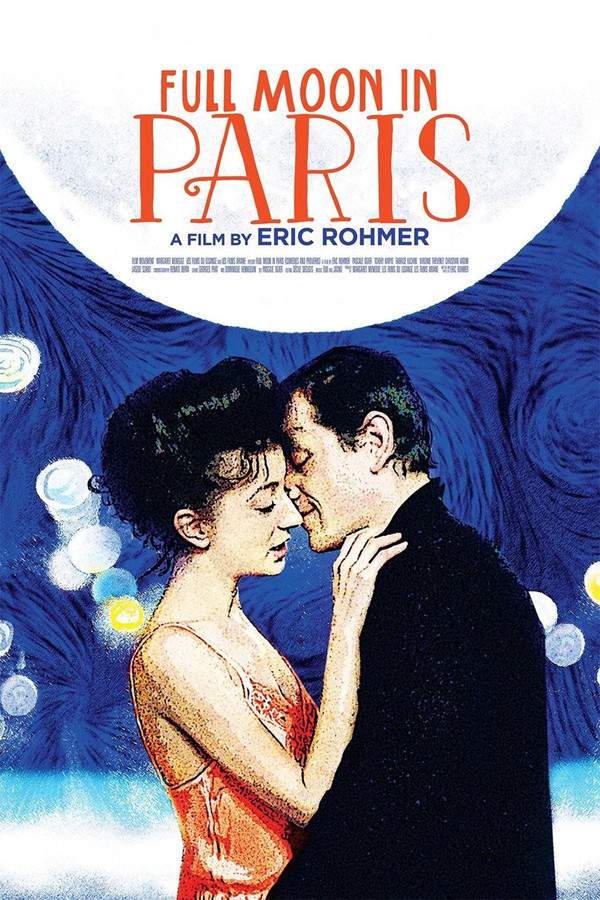
Full Moon in Paris (1984) Spoiler-Packed Plot Recap
The School of Flesh (1999) Film Overview & Timeline
House of Love (2000) Film Overview & Timeline
The Pleasure (1985) Full Movie Breakdown
The Pleasure of Love (1991) Full Summary & Key Details
The House of the Lost Dolls (1974) Full Summary & Key Details
The Pleasures of a Woman (1972) Ending Explained & Film Insights
The House (1997) Detailed Story Recap
A Piece of Pleasure (1975) Story Summary & Characters
House of the Lute (1979) Detailed Story Recap
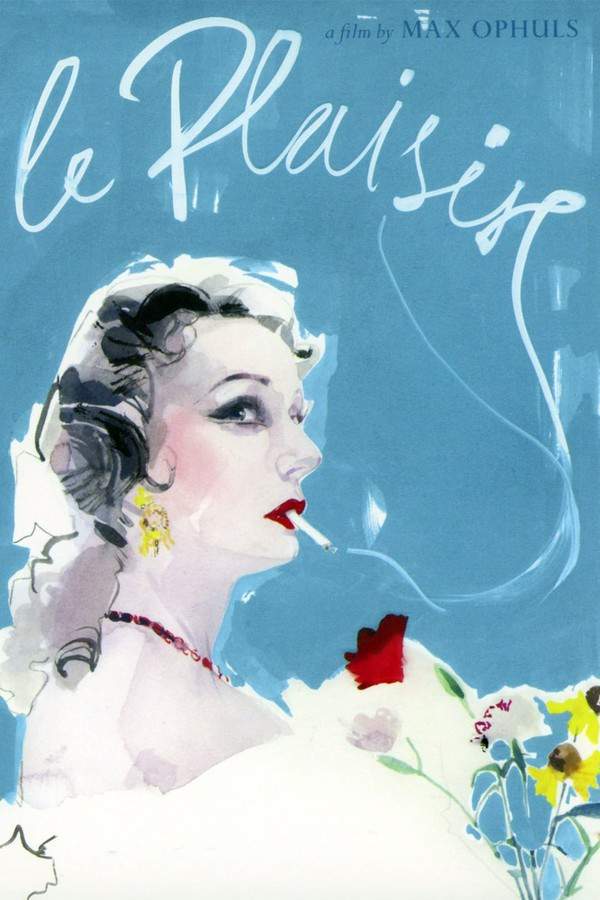
Le Plaisir (1952) Ending Explained & Film Insights
Pervertissima (1972) Story Summary & Characters
House of Secrets (1993) Complete Plot Breakdown
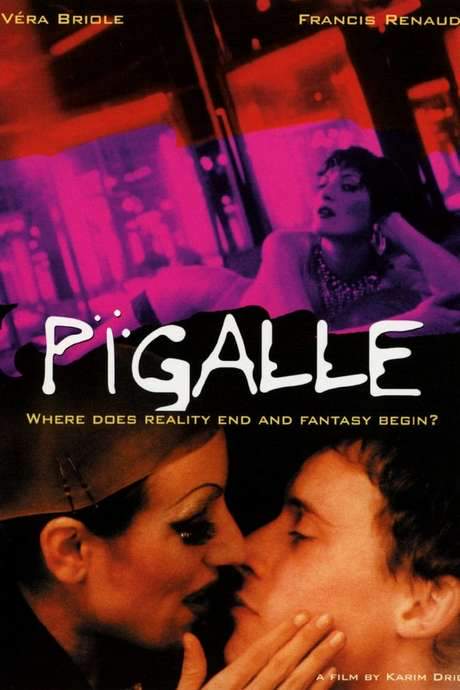
Pigalle (1994) Ending Explained & Film Insights