Year: 2015
Runtime: 105 min
Language: English
Budget: $37M
While working as a contractor in Hawaii, Brian Gilcrest unexpectedly reconnects with a former lover, Tracy. He also finds himself drawn to Allison, a spirited pilot. As Brian navigates these complicated relationships amidst the beauty of the Hawaiian islands, he’s forced to confront past mistakes and ultimately decide where his heart truly lies, leading to unexpected connections and emotional discoveries.
Warning: spoilers below!
Haven’t seen Aloha yet? This summary contains major spoilers. Bookmark the page, watch the movie, and come back for the full breakdown. If you're ready, scroll on and relive the story!
Read the complete plot breakdown of Aloha (2015), including all key story events, major twists, and the ending explained in detail. Discover what really happened—and what it all means.
Brian Gilcrest, portrayed by Bradley Cooper, reflects on his childhood aspirations and the desire for a brighter future. Once donning a military uniform, he recounts how the downfall of the economy in 2008 led him away from the armed forces and into the employ of the billionaire Carson Welch, played by Bill Murray. Having experienced a significant failure in Kabul, Brian views his upcoming trip to Hawaii as an opportunity for redemption.
As he journeys to Hawaii, his pilot is none other than John ‘Woody’ Woodside, played by John Krasinski. Upon his arrival, he meets Colonel ‘Fingers’ Lacy, humorously played by Danny McBride, and the diligent Captain Allison Ng, portrayed by Emma Stone. Colonel Lacy teasingly recalls Brian’s past in Kabul and informs him of his ex-girlfriend Tracy, played by Rachel McAdams, who is now married to Woody and organizes memorial ceremonies.
Allison serves as Brian’s Air Force liaison, showcasing her prestige and no-nonsense attitude. A surprising encounter takes place when Tracy rushes in to greet Brian, shocked that Woody has acknowledged him. Tracy’s children are introduced, including her inquisitive son Mitch, who is pursuing his own interests via his video camera, and Gracie, Tracy’s 13-year-old daughter, who appears eager to reconnect with Brian.
The story unfolds as Brian finds himself amidst a mixture of personal and professional turmoil, leading to encounters with various characters that delve into his past and his feelings for Tracy. The narrative explores intricate themes of longing, family dynamics, and the quest for redemption.
As the plot progresses, playful banter and meaningful discussions reveal Brian’s struggles and Allison’s growing affection, creating moments that oscillate between humor and depth. One particularly poignant moment sees Brian howling like a coyote while rolling down a window, reflecting Ng’s earlier description of him.
Amidst the unfolding events, the tension surrounding military operations combined with Brian’s internal conflict raises important questions about honor and sacrifice, culminating in an unexpected revelation regarding Hawaiian sovereignty and political machinations involving Carson.
With emotions swirling, a range of familial interactions showcases the characters’ complexities and relationships as the weight of Brian’s decisions comes to a head. The narrative balances laughter with emotional growth, shifting from Brian’s longing for personal connection to confronting his disillusionment with his past choices.
As the final scenes play out, Brian’s transformation becomes evident, illustrated by his heartfelt reconnection with both the Woodside family and the reality of love and responsibility. The film concludes with Brian engaging in community service, planting in the Hawaiian nation, symbolizing his acceptance of his place and purpose in the world. The journey is a testament to the idea that no matter how far one strays, redemption and connection can still be found.

Last Updated: November 03, 2024 at 20:44
Still wondering what the ending of Aloha (2015) really means? Here’s a spoiler-heavy breakdown of the final scene, major twists, and the deeper themes that shape the film’s conclusion.
At the end of Aloha, a key revelation subtly shifts the film’s focus. It turns out that Grace, the young girl at the heart of the story, is actually the daughter of Brian and Tracy, conceived just before their breakup. Tracy had raised her with her new husband Woody, leading most of the characters—and the audience—to believe that Grace’s parents were Tracy and Woody. However, the truth is that Brian is Grace’s biological father, a fact that Brian only discovers during the course of the film. This twist emphasizes the complex, layered nature of their relationships, but rather than reigniting old flames, it mostly reaffirms the characters’ individual growth. Tracy and Brian acknowledge their shared parenthood, but both remain committed to their current partners—Tracy to Woody and Brian to Allison. The final scene depicts Brian embracing Grace as her father, highlighting a sense of acceptance and newfound family, grounded in love and understanding rather than traditional notions of romance.
Meanwhile, the love triangle between Brian, Tracy, and Allison reaches a nuanced conclusion. Brian and Tracy’s romantic connection has faded, partly due to Brian’s disillusionment and Tracy’s own struggles. Instead of trying to rekindle their past love, they each choose to move forward with their respective partners, fostering a mature acceptance of their changed relationships. Brian’s bond with Allison develops based on mutual respect and shared passion for space and science, culminating in a heartfelt decision to halt a potentially dangerous satellite launch once he uncovers its true, harmful purpose. His sabotage of the satellite—using sonic disruption—serves as a symbolic act of moral growth, asserting his faith in goodness and love over greed and cynicism.
The true antagonist of the film isn’t the ex-partners or their complicated history, but Carson, played by Bill Murray. Initially appearing as a benevolent billionaire aiming to help Hawaii, Carson’s true intent is revealed to be far more sinister—his satellite harbors a nuclear payload, threatening global safety. When Allison uncovers the truth, Brian decides to destroy the satellite to prevent disaster, leading to Carson’s arrest. This action signifies the film’s core message: hope and love triumph over cynical greed and power. Despite its chaotic storytelling, the ending offers a hopeful outlook, showing that genuine connections, moral integrity, and optimistic faith in the future can prevail. The film’s concluding moments emphasize that love and hope can create new, unconventional families, even when the traditional expectations are broken. The happiness and unity at the end underscore a celebration of resilience, reconciliation, and the transformative power of love—setting aside the chaos to embrace a brighter, more compassionate future.
Last Updated: June 25, 2025 at 08:59
Discover curated groups of movies connected by mood, themes, and story style. Browse collections built around emotion, atmosphere, and narrative focus to easily find films that match what you feel like watching right now.
Characters find forgiveness and a fresh start in beautiful, life-changing locations.If you enjoyed the hopeful, scenic journey of self-discovery in Aloha, you'll find similar stories here. These movies feature characters grappling with past mistakes who find healing and a chance at redemption in stunning, transformative locations, blending personal drama with breathtaking backdrops.
Stories typically center on a protagonist returning to or arriving in a significant location, forced to face the consequences of their past actions. The narrative arc involves gradual acceptance, making amends, and ultimately choosing a new path guided by the lessons and connections found in this new environment, leading to a positive, hopeful resolution.
They are grouped by their shared focus on redemption as a central theme, the use of a vibrant setting as a key character in the story, and a tone that balances emotional weight with a hopeful, serene atmosphere. The pacing is steady, focusing on character growth over high-stakes action.
Relationship stories blending genuine emotion with lighthearted humor for adults.Fans of the blend of romance, humor, and real-life drama in Aloha will appreciate this collection. These movies feature complicated relationships and character-driven stories for a more mature audience, focusing on emotional growth and witty dialogue within a romantic framework.
The plot often involves a central character navigating multiple relationships or a complex love triangle, forcing them to reevaluate their life choices. The journey is as much about self-discovery as it is about romance, with humorous moments providing levity amidst the emotional stakes, culminating in a satisfying, heartwarming conclusion.
They share a specific tonal mix: a hopeful, romantic core supported by consistent humor and a medium level of emotional complexity. The pacing is steady, allowing relationships to develop naturally, and the focus is on character-driven decisions rather than contrived plot devices.
Don't stop at just watching — explore Aloha in full detail. From the complete plot summary and scene-by-scene timeline to character breakdowns, thematic analysis, and a deep dive into the ending — every page helps you truly understand what Aloha is all about. Plus, discover what's next after the movie.
Track the full timeline of Aloha with every major event arranged chronologically. Perfect for decoding non-linear storytelling, flashbacks, or parallel narratives with a clear scene-by-scene breakdown.
Discover the characters, locations, and core themes that shape Aloha. Get insights into symbolic elements, setting significance, and deeper narrative meaning — ideal for thematic analysis and movie breakdowns.
What really happened at the end of Aloha? This detailed ending explained page breaks down final scenes, hidden clues, and alternate interpretations with expert analysis and viewer theories.
Get a quick, spoiler-free overview of Aloha that covers the main plot points and key details without revealing any major twists or spoilers. Perfect for those who want to know what to expect before diving in.
Visit What's After the Movie to explore more about Aloha: box office results, cast and crew info, production details, post-credit scenes, and external links — all in one place for movie fans and researchers.
Discover movies like Aloha that share similar genres, themes, and storytelling elements. Whether you’re drawn to the atmosphere, character arcs, or plot structure, these curated recommendations will help you explore more films you’ll love.
Aloha (2015) Scene-by-Scene Movie Timeline
Aloha (2015) Movie Characters, Themes & Settings
Aloha (2015) Ending Explained & Theories
Aloha (2015) Spoiler-Free Summary & Key Flow
Movies Like Aloha – Similar Titles You’ll Enjoy
Finding 'Ohana (2021) Story Summary & Characters
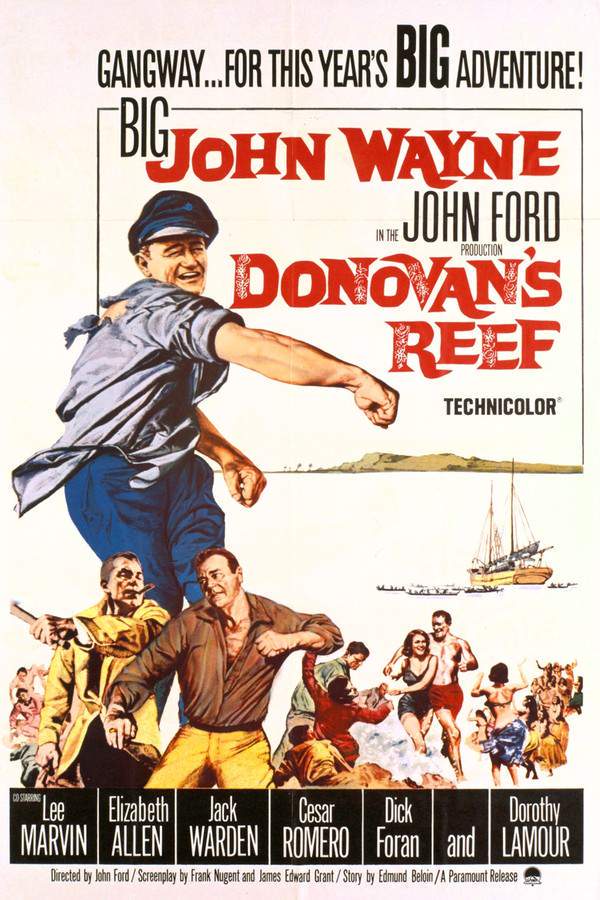
Donovan's Reef (1963) Spoiler-Packed Plot Recap
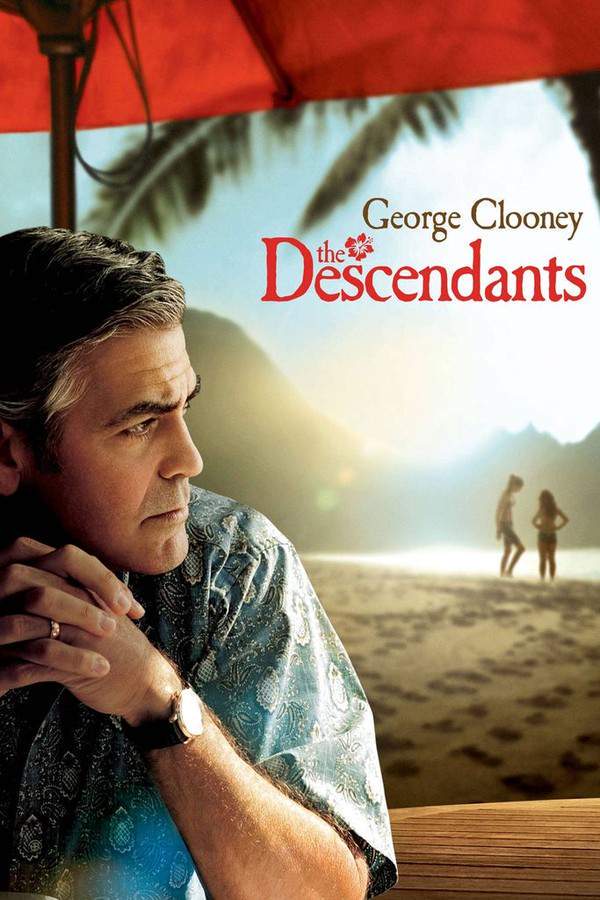
The Descendants (2011) Plot Summary & Ending Explained
Blue Hawaii (1961) Full Summary & Key Details
Love Affair (1994) Film Overview & Timeline
Aloha Summer (1988) Complete Plot Breakdown
Aloha Surf Hotel (2021) Complete Plot Breakdown
Hawaii (2023) Detailed Story Recap
You Had Me at Aloha (2021) Story Summary & Characters
Aloma of the South Seas (1941) Movie Recap & Themes
Paradise, Hawaiian Style (1966) Spoiler-Packed Plot Recap
Honolulu (1939) Detailed Story Recap
Hawaii (1966) Full Summary & Key Details
Aloha with Love (2022) Plot Summary & Ending Explained
Waikiki Wedding (1937) Ending Explained & Film Insights